
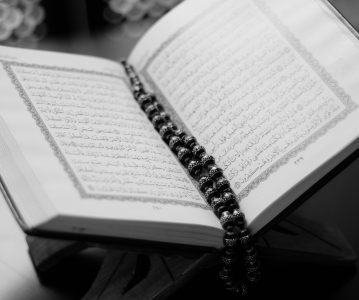

And We have certainly honored the children of Adam and carried them on the land and sea and provided for them of the good things and preferred them over much of what We have created, with [definite] preference.
Koran 17:70
Muhammad commits shirk with: “We”, “Us” or “Our”, placing Allah as a companion to himself, showing that Allah is incoherent, imaginary, and fictional, and so Islam is incoherent with monotheism, thus Islam is contradictory and false.
Note the repetition “preferred them” and then “with preference”. This is Muhammad running out of metaphorical steam in his ranting. Likely this is something to do with the rhyming scheme in Arabic.
Notice how Muhammad takes credit for the work of humans, “carried them on the land and sea”, as Tafsir Ibn Kathir, 17:70, makes more clearer the perfectly clear words of Muhammad, Jibril and Allah, with:
on animals such as cattle, horses and mules, and also on the sea in ships and boats, great and small.
Tafsir Ibn Kathir, 17:70
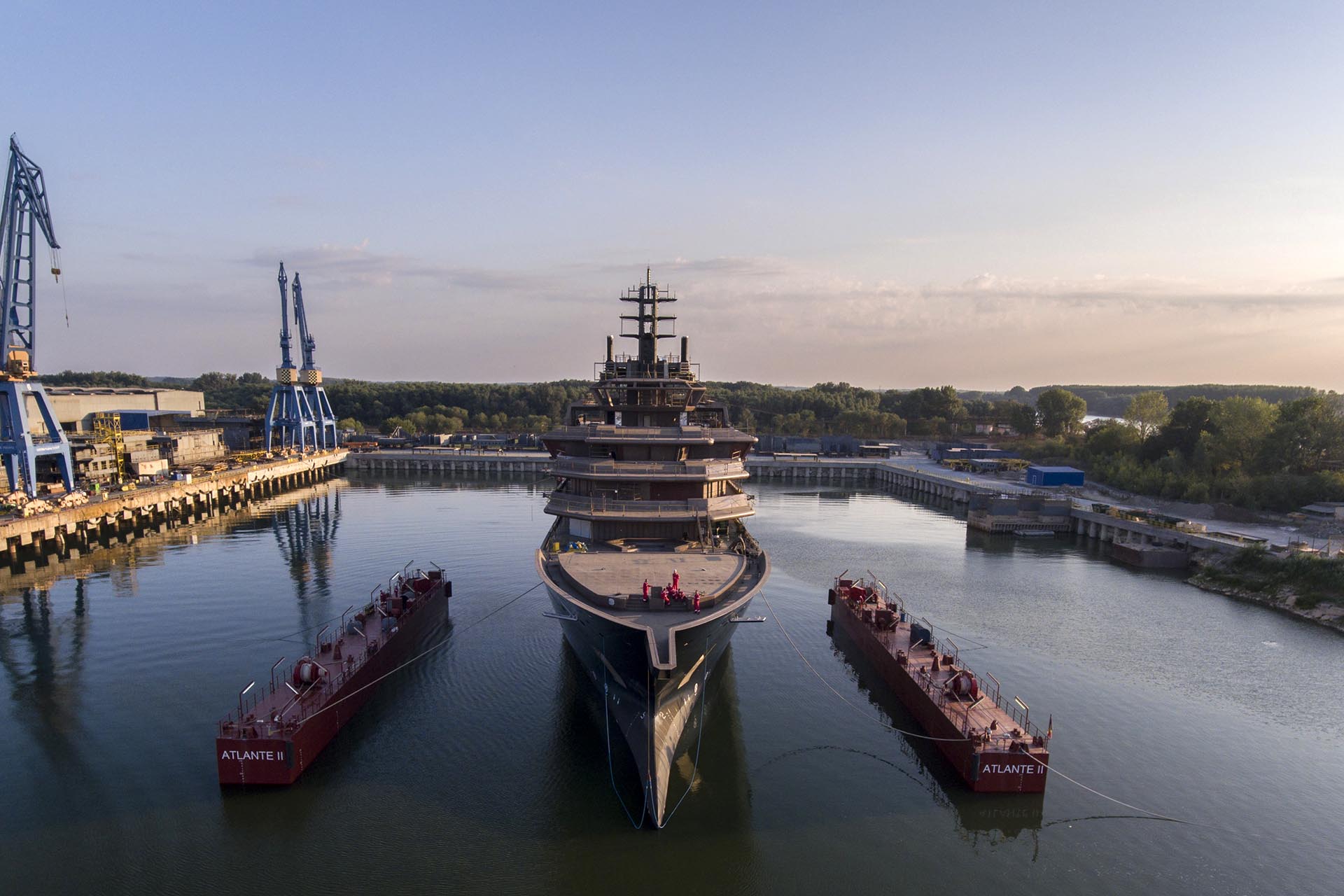
It’s humans who created “cattle, horses and mules” along with donkeys, camels, dogs and so on, and humans who created “ships and boats, great and small”. Obviously, this ship, REV Ocean, simply grows on a tree, courtesy of Allah, right?
Muhammad continues to lie with: “provided for them of the good things”. It’s humans that discover, create, gather, prepare, cook, and serve food. The work of women every day is called the work of Allah by the ignorant, sexist and stupid Muhammad.

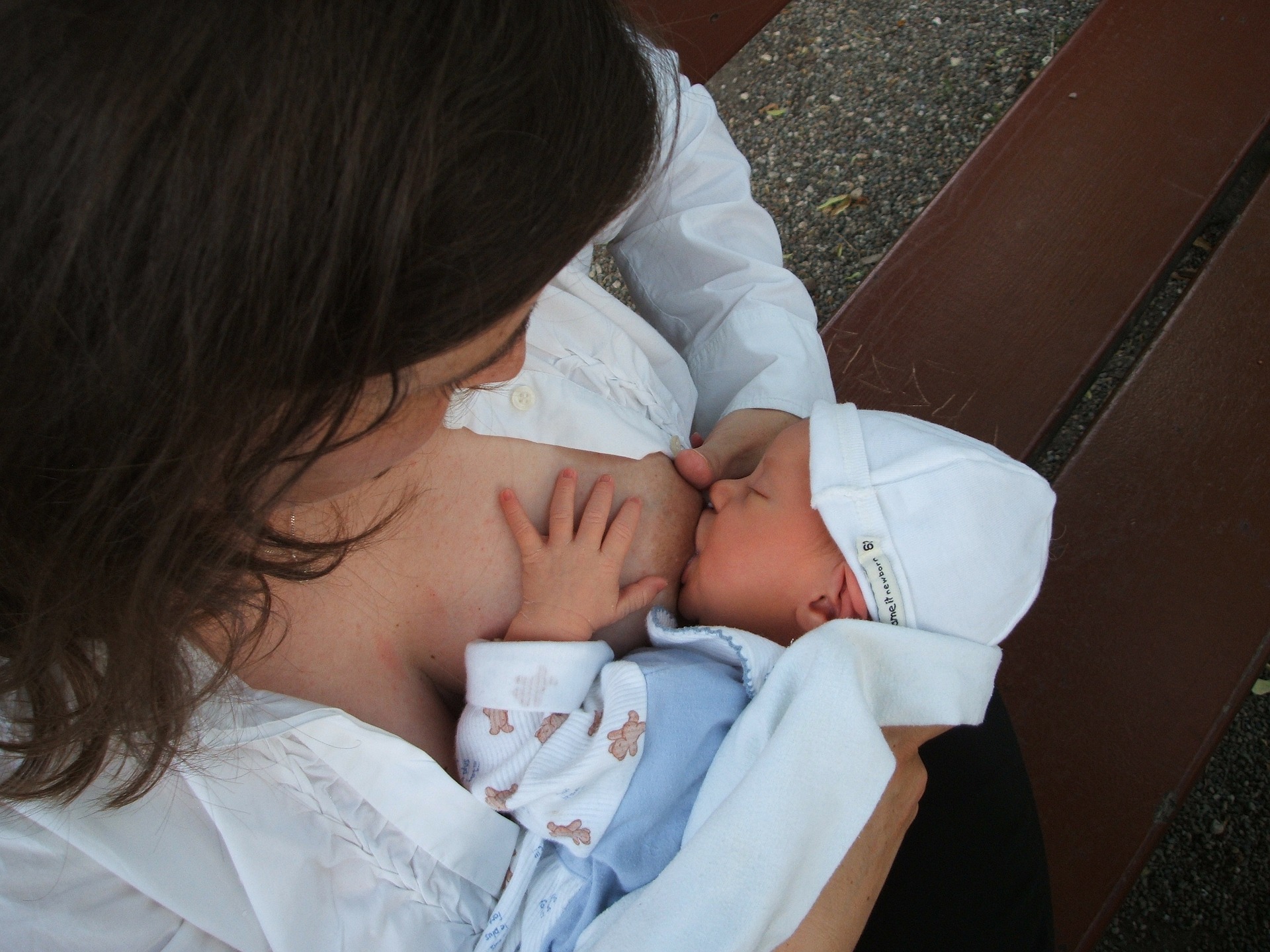
Muhammad also claims for Allah, the creation of humans, but it’s humans that create humans, with their choice of mates, and inheritance of features, a baby having his mother’s eyes, and a grandfather’s hair for example, while looking like the handsome man next door. Humans can already tell who created babies, as I’ve given a clue already in my fictional example.
Muhammad boasts and tells obvious lies that anyone who creates knows are obviously false, a lie, nonsense, showing Muhammad, Allah, Islam and the Koran are all false.
The best replacement for this passage is: “”, the empty sentence.

 Koran Contradiction
[…] Qur’an 17:70 […]
LikeLike