

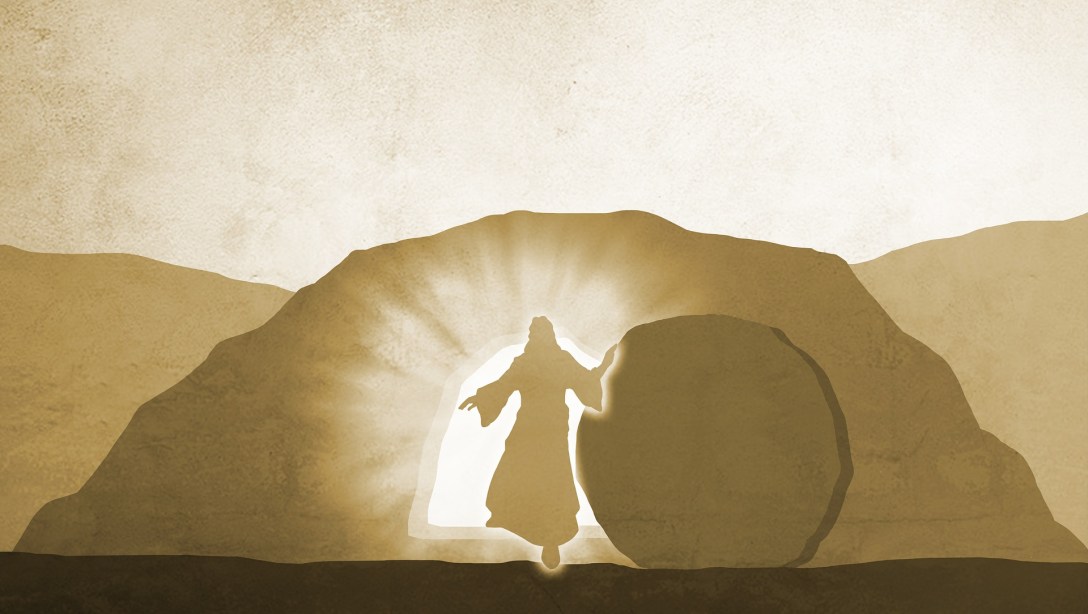
The Resurrection
The Story of Jesus’ Resurrection: A Complete Guide.
The Resurrection as the Core of the Gospel
Paul emphasises that the resurrection of Jesus is foundational to the gospel. In 1 Corinthians 15:3–4, he states that Christ died for our sins, was buried, and was raised on the third day according to the Scriptures. This event is not merely symbolic; it is a historical reality witnessed by Cephas (Peter), the twelve apostles, over five hundred believers, James, and finally Paul himself, who encountered the risen Christ on the road to Damascus (1 Corinthians 15:5–8). Paul insists that without the resurrection, faith is futile, preaching is meaningless, and believers remain in their sins (1 Corinthians 15:14–17).
Christ as the Firstfruits
Paul describes Jesus as the “firstfruits” of those who have died, meaning His resurrection is the guarantee of the future resurrection for all believers (1 Corinthians 15:20–23)
Christ as the Promise of Resurrection
Just as death came through Adam, resurrection and eternal life come through Christ. This establishes a continuity between Christ’s resurrection and the ultimate hope for all who are “in Christ”.
The Resurrection of All of Us
Paul explains that the resurrection involves a transformation of the body. The mortal, perishable body is sown in corruption and raised imperishable, sown in weakness and raised in power, sown a natural body and raised a spiritual body (1 Corinthians 15:42–44). He contrasts Adam, the first man, with Christ, the “last Adam,” who imparts life through the Spirit. Believers will bear the likeness of the heavenly Christ, receiving bodies fully empowered by God’s Spirit, immune to decay and death (1 Corinthians 15:49; 1 Corinthians 15:51–53).
Paul’s Apologetic and Evangelistic Approach
Paul addresses both Jewish and Gentile audiences to affirm the resurrection. In Acts 13, he speaks in a synagogue, connecting Jesus’ resurrection to prophecies and salvation history, showing that Christ’s body did not see corruption (Acts 13:30–37). In Athens (Acts 17), he engages a pagan audience, presenting God as the creator and judge who confirms His promises by raising Jesus from the dead, demonstrating the resurrection’s universal significance.
Theological and Practical Implications
The resurrection assures believers of victory over sin and death (1 Corinthians 15:54–57). Paul teaches that through union with Christ in His death and resurrection, believers are sanctified and empowered to live righteous lives (Romans 6:5–11). The resurrection is both a historical fact and a transformative reality, motivating steadfastness, moral integrity, and hope in eternal life (1 Corinthians 15:58).
Summary
For Paul, the resurrection is the cornerstone of Christian faith. It validates Jesus’ identity as the Messiah, confirms God’s promises, ensures believers’ future resurrection, and empowers a life of holiness and hope. Denying the resurrection undermines the entire gospel, while affirming it provides assurance of eternal life and victory over death.


