
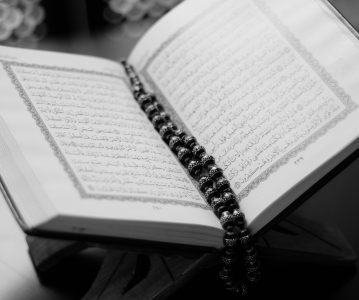
68:34 Indeed, for the righteous with their Lord are the Gardens of Pleasure.
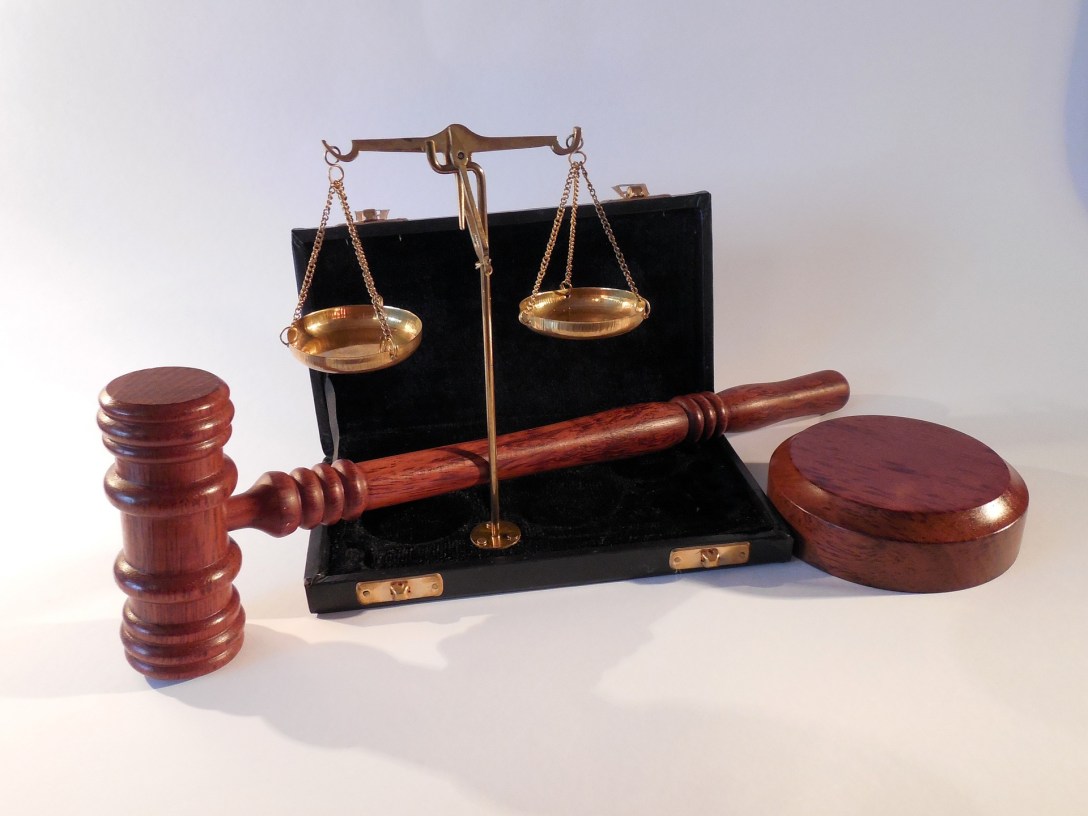
35 Then will We treat the Muslims like the criminals? 36 What is [the matter] with you? How do you judge? 37 Or do you have a scripture in which you learn 38 That indeed for you is whatever you choose? 39 Or do you have oaths [binding] upon Us, extending until the Day of Resurrection, that indeed for you is whatever you judge? 40 Ask them which of them, for that [claim], is responsible. 41 Or do they have partners? Then let them bring their partners, if they should be truthful.
Koran 68:34-41
Muhammad commits shirk with: “We”, “Us” or “Our”, placing Allah as a companion to himself, showing that Allah is incoherent, imaginary, and fictional, and so Islam is incoherent with monotheism, thus Islam is contradictory and false.
Muhammad, in his Koran, addresses a sentence, verse, or passage to “Anonymous They”, with “they”, “them”, “he”, “your”, “the people”, and so on, without naming them. For more, read Anonymous They.
Even the scholars of Tafsir Ibn Kathir, 68:34, don’t know what to make of this passage.
Muhammad asks a load of rhetorical questions here. The “We” or the demon here forgets that the Jews and the Christians already have laws and scriptures to judge from. Many civilisations of that time already had law and order, and today we have secular governments and judges, lawyers, juries, police, law enforcement and so on. The Demon ranting to Muhammad shows that these are not the perfect words of the perfect Qur’an from perfect Allah. Instead, Allah is imaginary, and Muhammad is a false prophet, for a false god, Allah, for a false religion, Islam, without even a false book, the Koran.
Muhammad: “Then let them bring their partners, if they should be truthful.” Muhammad’s partner is:
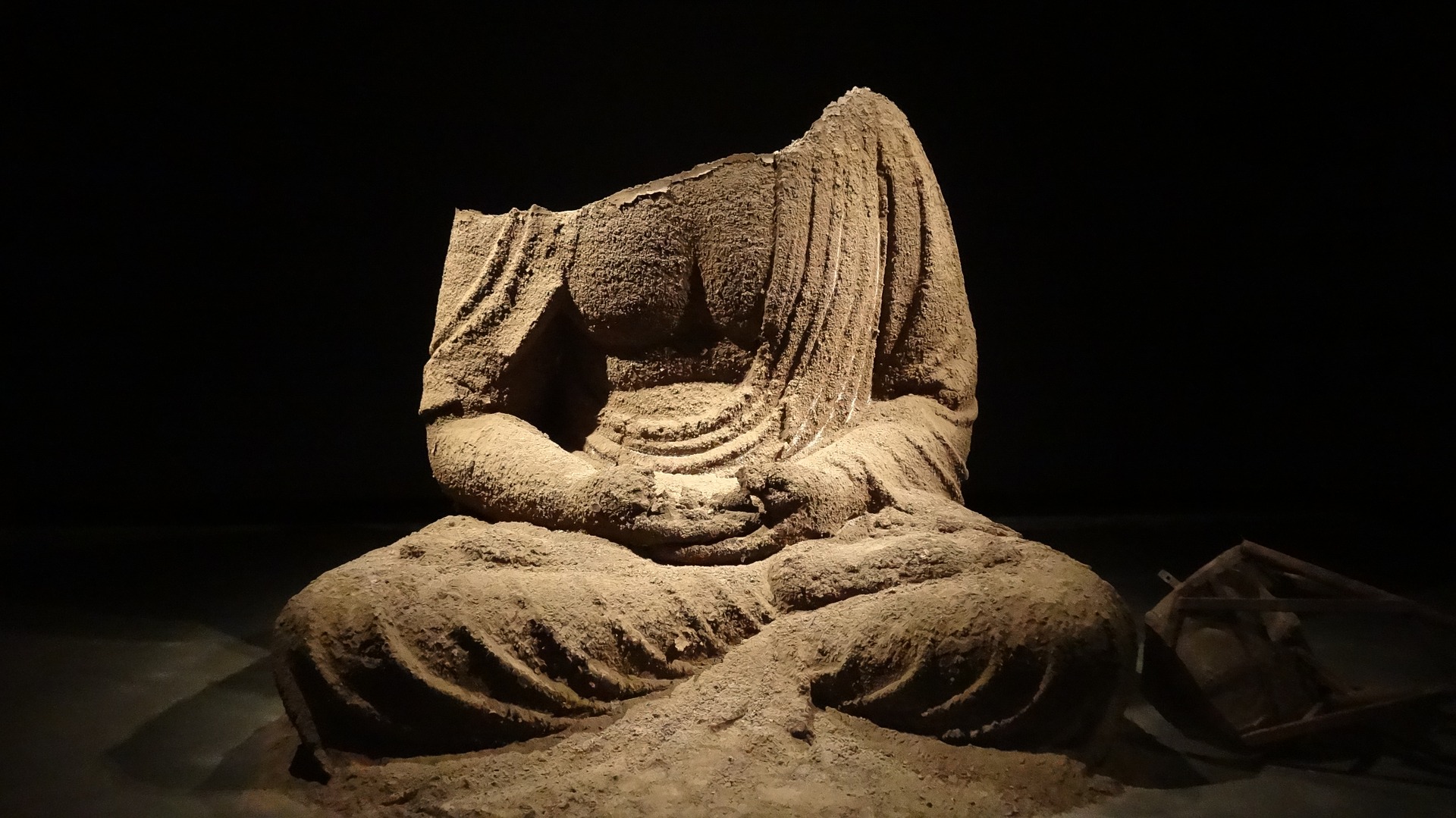
Now remember, Muhammad and all the people he was complaining about all died long ago, some from being murdered by Muhammad and his Muslim bandits. None of them faced the judgment of imaginary Allah. Instead, they’re all dust in the desert. All of Muhammad’s words here, his threats, have come to naught.
The best replacement for this passage is: “”, the empty sentence.

 Koran Contradiction
[…] Qur’an 68:34-41 […]
LikeLike