
41:49 Man is not weary of supplication for good [things], but if evil touches him, he is hopeless and despairing.
50 And if We let him taste mercy from Us after an adversity which has touched him, he will surely say, “This is [due] to me, and I do not think the Hour will occur; and [even] if I should be returned to my Lord, indeed, for me there will be with Him the best.”
But We will surely inform those who disbelieved about what they did, and We will surely make them taste a massive punishment.
51 And when We bestow favor upon man, he turns away and distances himself; but when evil touches him, then he is full of extensive supplication.
Koran 41:49-51
Muhammad commits shirk with “We”, “Us” or “Our”, placing Allah as a companion to himself, showing that Allah is incoherent, imaginary, and fictional. So Islam is incoherent with monotheism; thus, Islam is contradictory and false.
Muhammad’s judgment upon Man is terrible. He should have had a good discussion with some Jews and Christians, not pagans, not people of his own culture. Also note the sexism – “him” and “he”. Did the Quraysh women behave like this or not? And if we look and study carefully:
“This is [due] to me, and I do not think the Hour will occur; and [even] if I should be returned to my Lord, indeed, for me there will be with Him the best.”
Excerpt, Koran 41:49-51
This is the speech not of a Quraysh or Nabatean man, but of a Muslim. Why? “I do not think the Hour will occur” – this Muslim doesn’t believe in Muhammad’s words. Then there’s this: “[even] if I should be returned to my Lord,” that’s again a Muslim belief that the Quraysh, Nabateans, didn’t have.
This seems like a repeated telling of an earlier story Muhammad had in his Koran about a Muslim man who was given a garden from the spoils of war against a Jewish tribe, with: “This is [due] to me”. See what you think of the earlier story:
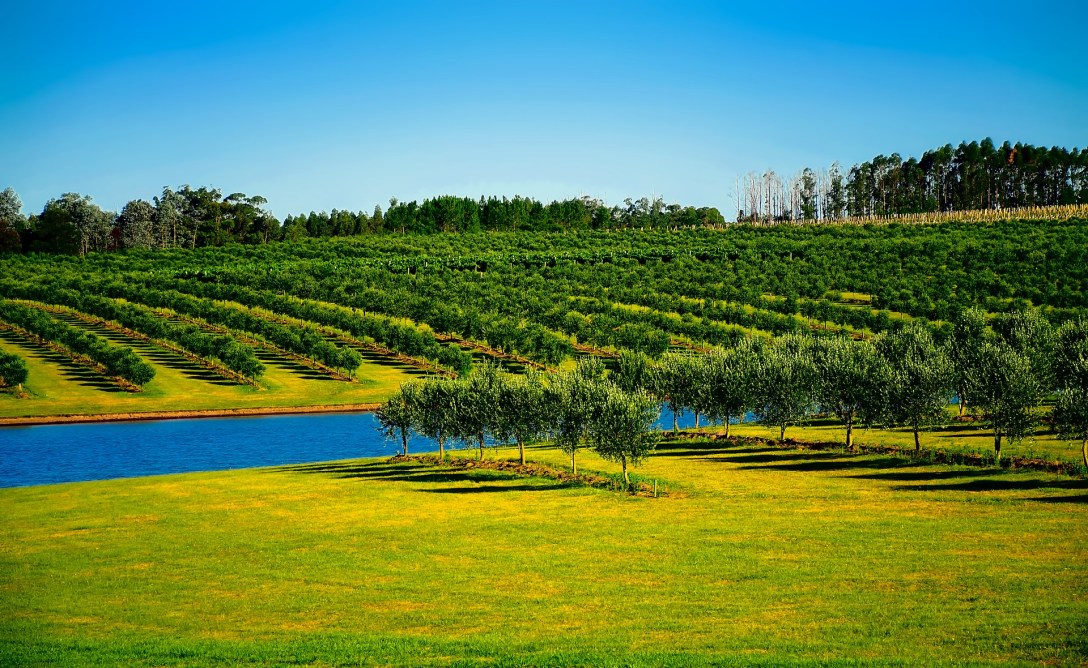
18:32 And present to them an example of two men: We granted to one of them two gardens of grapevines, and We bordered them with palm trees and placed between them [fields of] crops.
33 Each of the two gardens produced its fruit and did not fall short thereof in anything. And We caused to gush forth within them a river.
34 And he had fruit, so he said to his companion while he was conversing with him, “I am greater than you in wealth and mightier in [numbers of] men.”
35 And he entered his garden while he was unjust to himself. He said, “I do not think that this will perish – ever. 36 And I do not think the Hour will occur. And even if I should be brought back to my Lord, I will surely find better than this as a return.”
37 His companion said to him while he was conversing with him, “Have you disbelieved in He who created you from dust and then from a sperm-drop and then proportioned you [as] a man? 38 But as for me, He is Allah, my Lord, and I do not associate with my Lord anyone. 39 And why did you, when you entered your garden, not say, ‘What Allah willed [has occurred]; there is no power except in Allah’? Although you see me less than you in wealth and children, 40 It may be that my Lord will give me [something] better than your garden and will send upon it a calamity from the sky, and it will become a smooth, dusty ground, 41 Or its water will become sunken [into the earth], so you would never be able to seek it.”
42 And his fruits were encompassed [by ruin], so he began to turn his hands about [in dismay] over what he had spent on it, while it had collapsed upon its trellises, and said, “Oh, I wish I had not associated with my Lord anyone.”
43 And there was for him no company to aid him other than Allah, nor could he defend himself.
44 There the authority is [completely] for Allah, the Truth. He is best in reward and best in outcome.
Koran 18:32-44
For more, see: Koran 18:32-44.
Muhammad claims that adversity and mercy, evil and favour, come from Allah, without evidence of this. Muhammad makes good and bad fortune the acts of Allah, and makes Allah a capricious god that only fools and the mad believe in.
The best replacement for this passage is: “”, the empty sentence.


[…] And note that this story seems to be repeated in Koran 41:49-51. […]
LikeLike
[…] Qur’an 41:49-51 […]
LikeLike