
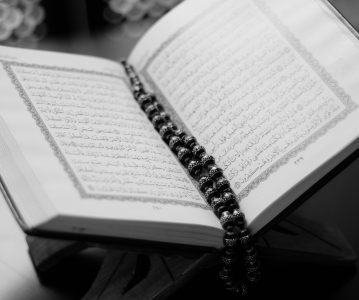

39:24 Then is he who will shield with his face the worst of the punishment on the Day of Resurrection [like one secure from it]?
And it will be said to the wrongdoers, “Taste what you used to earn.”
25 Those before them denied, and punishment came upon them from where they did not perceive.
26 So Allah made them taste disgrace in worldly life.
But the punishment of the Hereafter is greater, if they only knew.
Koran 39:24-26
In Muhammad’s rhetorical question, note the confusion of the translator with the phrase: “he who will shield with his face”. The scholars of Tafsir Ibn Kathir, 39:24, don’t have it much better with:
Is he then, who will confront with his face
Koran 39:24 in Tafsir Ibn Kathir, 39:24
I suggest this is better: “faces”, like this:
Then is he who faces the worst of the punishment on the Day of Resurrection [like one secure from it]?
Corrected, Koran 39:24
Muhammad claims that past people were disgraced by Allah. But those stories come from the Jews, and their god is YHWH, not Allah. And of course, what happens in Jewish “Hell” is different from what Muhammad has for Islamic Fire. Plus, of course, Muhammad’s end times have never happened for 1400 years – justice delayed is no justice, so Allah the Just is false. Thus Muhammad, Islam and the Koran are false.
This passage is another passage meant to make the listener fear Islamic Fire and so obey the “reciter” or singer of this passage.
Notice the word “taste”. What is the taste of “disgrace”? Tasting the black stone is a disgrace, of burned wax, showing one is a pagan stone worshipper:
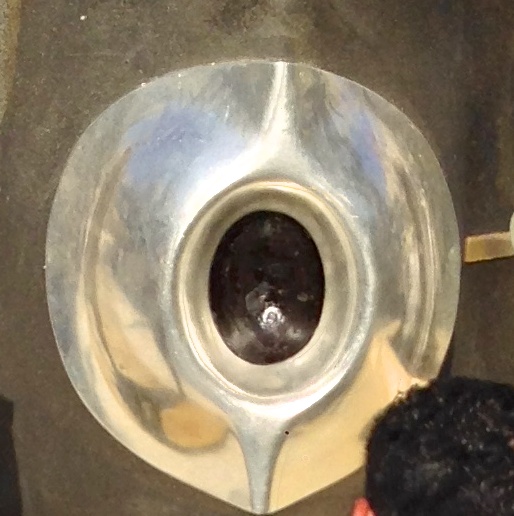
Interestingly, Muhammad slips up: “But the punishment of the Hereafter is greater, if they only knew.” Muhammad was honest here, admitting there were no messengers from Allah before himself, and that he, himself, was a failed messenger: “if they only knew.” Muhammad didn’t act to inform them.
Thus, you know Muhammad was a false messenger and false prophet, for a false god, Allah, for a false religion, Islam, without even a false book, the Koran.
The best replacement for this passage is: “”, the empty sentence.

 Koran Contradiction
[…] Qur’an 39:24-26 […]
LikeLike