
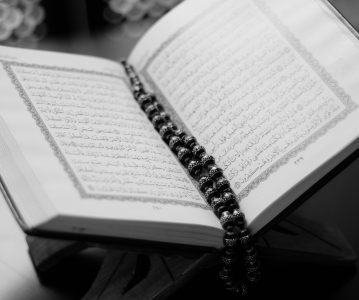

23:62 And We charge no soul except [with that within] its capacity, and with Us is a record which speaks with truth; and they will not be wronged.
63 But their hearts are covered with confusion over this, and they have [evil] deeds besides disbelief which they are doing, 64 Until when We seize their affluent ones with punishment, at once they are crying [to Allah] for help.
65 Do not cry out today. Indeed, by Us you will not be helped.
66 My verses had already been recited to you, but you were turning back on your heels 67 In arrogance regarding it, conversing by night, speaking evil.
Koran 23:62-67
Muhammad commits shirk with “We”, “Us” or “Our”, placing Allah as a companion to himself, showing that Allah is incoherent, imaginary, and fictional. So Islam is incoherent with monotheism; thus, Islam is contradictory and false.
Muhammad, in his Koran, addresses a sentence, verse, or passage to “Anonymous They”, with “they”, “them”, “he”, “your”, “the people”, and so on, without naming them. For more, read Anonymous They.
Notice the change from “We” at the top to “My” in verse 66.
This passage is Muhammad excusing himself for his failures in reciting his own “My” verses to the Quraysh and failing to convince them. The Quraysh knew Muhammad was a false prophet. How do I know? Look at this verse: “But their hearts are covered with confusion over this”. It’s Muhammad’s job as “MESSENGER” to give the message. It’s like Muhammad is admitting he’s speaking in a foreign tongue. Thus, Muhammad is a failure. Yet, he’s supposedly aided by Allah, who has a message for the Quraysh, that their small town of Mecca will be destroyed. Yet, this destruction either happened because of Muhammad and his Muslim bandits or didn’t:


Where’s the disaster from Allah? 1400 years later, it didn’t happen. Thus automatically, Muhammad’s message from Allah to the Quraysh is a false message. Thus showing Muhammad, Allah, Koran and Islam are false.
But, Infidel, Allah seized them: “Until when We seize their affluent ones with punishment, at once they are crying [to Allah] for help.” This means that the destruction was small and local and there’s no need for the message from Allah to apply any longer after that. Perhaps it was a famine caused by drought as there seems to be from earlier passages from the Koran. But whatever the “seize” is, there’s no indication from Muhammad about what it is. Instead, this is Muhammad most likely remembering the Story of Hud, the Story of Saleh and the Story of Shuaib, as he mentions earlier:
So the shriek seized them in truth, and We made them as [plant] stubble. Then away with the wrongdoing people.
Koran 23:41
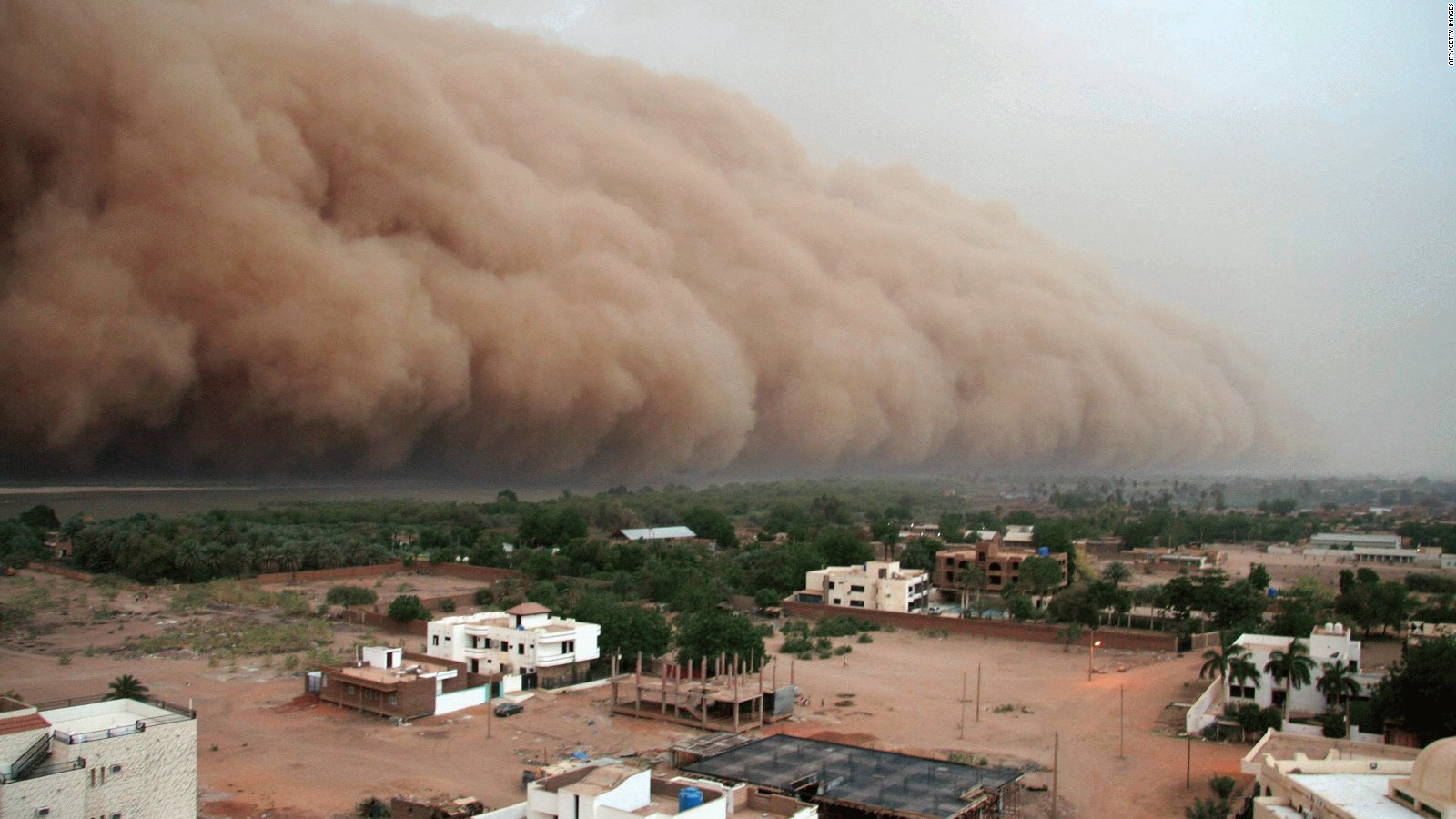
But, let’s consider: What’s a “shriek”? What’s a seize? Maybe it’s a dust storm? Like below?

Is it famine caused by Muhammad and his Muslim bandits slaughtering cattle to appease his cattle god, Sin, from the earlier chapter, chapter 22?
And permitted to you are the grazing livestock, except what is recited to you.
Koran 22:30
For you the animals marked for sacrifice are benefits for a specified term; then their place of sacrifice is at the ancient House. 34 And for all religion We have appointed a rite [of sacrifice] that they may mention the name of Allah over what He has provided for them of [sacrificial] animals.
Koran 22:33-34
And the camels and cattle We have appointed for you as among the symbols of Allah; for you therein is good. So mention the name of Allah upon them when lined up [for sacrifice]; and when they are [lifeless] on their sides, then eat from them and feed the needy and the beggar.
Koran 22:36
To me, that seems like Muhammad was telling his Muslim bandits to slaughter all of the herds of cattle, so leaving the Quraysh with no meat to eat, a famine caused by Muhammad’s stupidity, not by imaginary Allah.
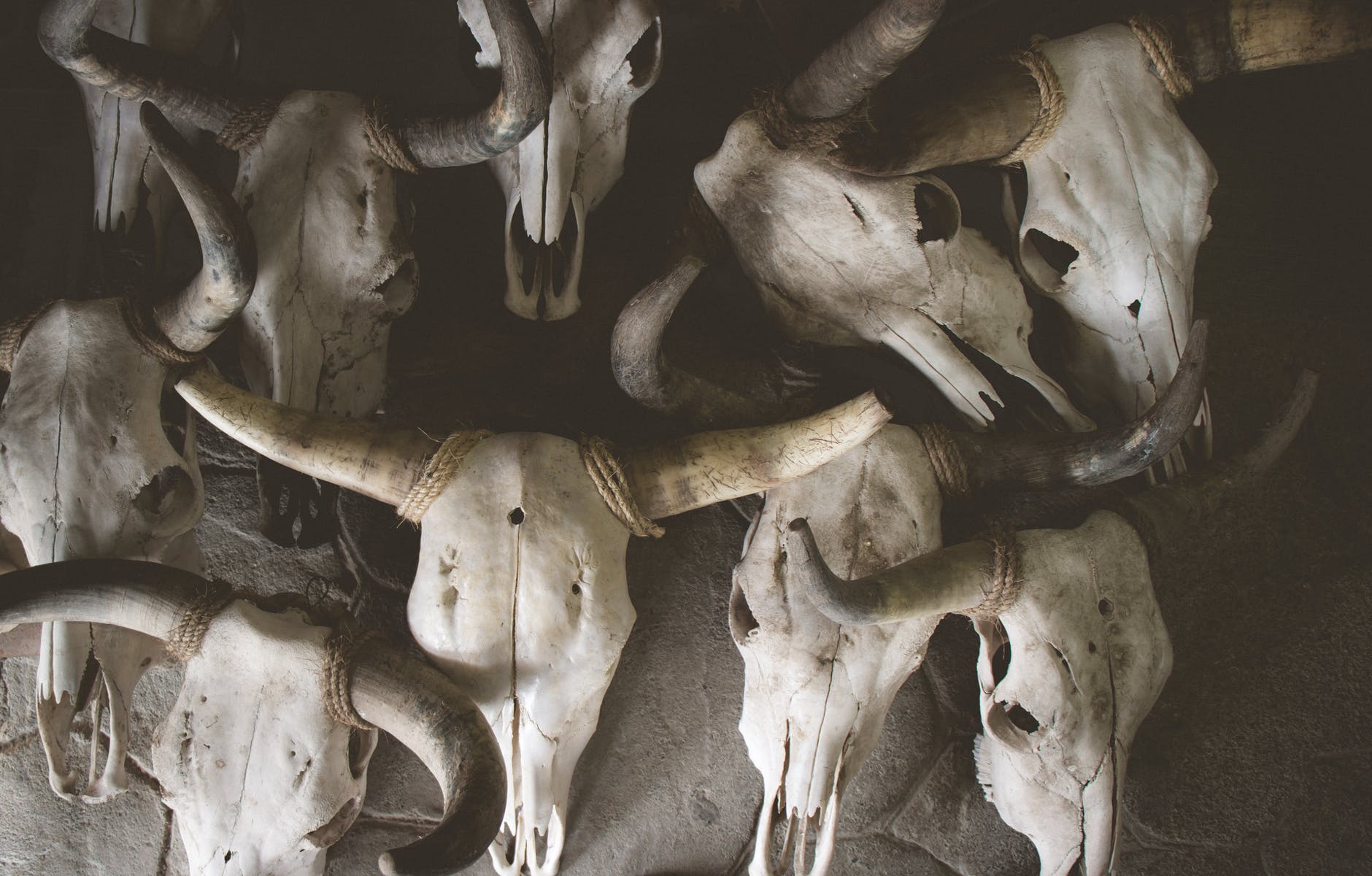
Perhaps that’s why the “seize” is not explained – it’s something embarrassing for Muhammad, and it was obviously Muhammad’s fault, that people of Muhammad’s time knew about. I don’t know and Muhammad doesn’t want to say.
The best replacement for this passage is: “”, the empty sentence.

 Koran Contradiction
[…] Qur’an 23:62-67 […]
LikeLike