
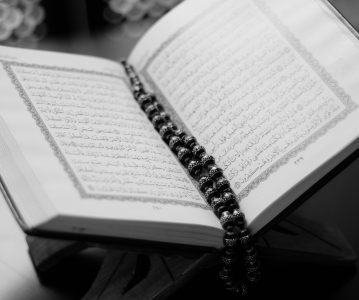

Exalted is He who took His Servant by night from al-Masjid al-Haram to al Masjid al Aqsa, whose surroundings We have blessed, to show him of Our signs.
Indeed, He is the Hearing, the Seeing.
Koran 17:1
Muhammad spoke about Allah in the third person. This means this passage is not the perfect words of the perfect Qur’an from perfect Allah. Thus, Allah is false, imaginary, and fictional, which means Islamic doctrine and Islam are nonsensical and false.
Muhammad commits shirk with: “We”, “Us” or “Our”, placing Allah as a companion to himself, showing that Allah is incoherent, imaginary, and fictional, and so Islam is incoherent with monotheism, thus Islam is contradictory and false.
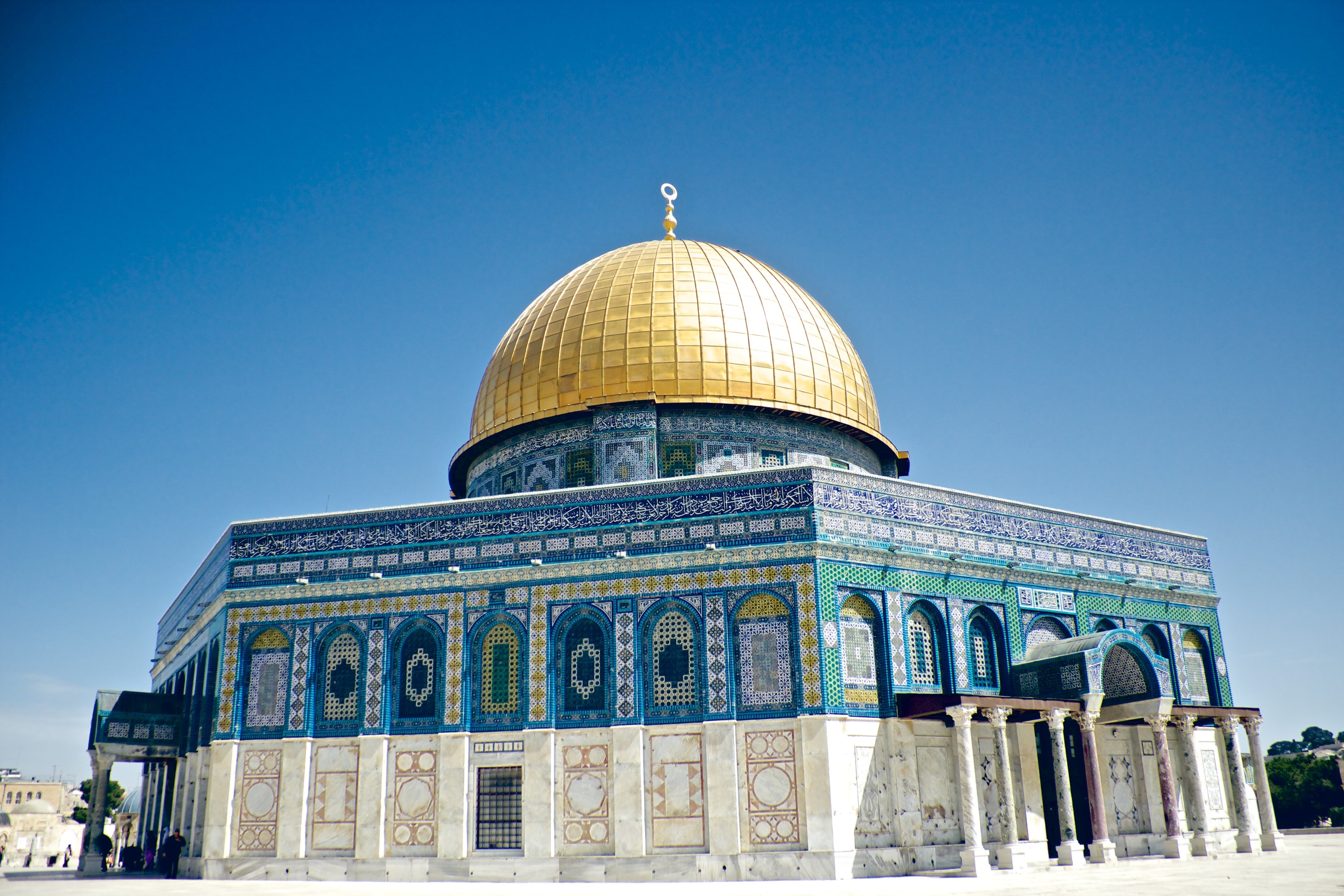
Note that the Dome of the Rock, in Jerusalem, Israel, is not “al-Masjid al-Aqsa”. The Dome of the Rock was built after the Koran was assembled incorrectly, and named after the mosque “al-Masjid al-Aqsa” in the Koran.
The story of Muhammad’s dream comes mostly from hadith and biography. The source for this summary came from Oxford Islamic Studies Online:
Also known as al-Isra and Laylat al-Miraj. Refers to the journey made by Muhammad from the Great Mosque in Mecca to the Temple Mount in Jerusalem on a winged horselike creature known as Buraq, followed by Muhammad’s ascension into heaven. Briefly mentioned in the Quran ( 17:1 ) but known primarily through hadith. During the journey, Muhammad traveled with Gabriel to see everything in heaven and earth and then to the Temple in Jerusalem, where he met with Abraham, Moses, Jesus, and other prophets there and led them in prayer. Then Muhammad was shown a ladder, which he climbed with Gabriel up to the Gate of Watchers in heaven, where he met Jesus, John the Baptist, Joseph, Idris, Aaron, Moses, and Abraham. Muslims debate whether this journey was physical or mystical in nature. The result of the journey was the reduction of daily prayers to five from fifty after lengthy debate with Moses. Muhammad argued that fifty prayers per day would represent too great a hardship for believers. Daily prayers were instituted after this event. The Night Journey made Jerusalem the third holiest city in Islam and affirmed the continuity of Islam with Judaism and Christianity. It is celebrated annually on the twenty-seventh of Rajab and is a popular theme for Islamic artwork and legends.
Tafsir Ibn Kathir, 17:1 has accounts of the various hadith, which are summarised above.
The account in the verse is merely an account of a dream that Muhammad had. He didn’t move from the side of his child bride Aisha, according to her, and this creature, Buraq, doesn’t exist:

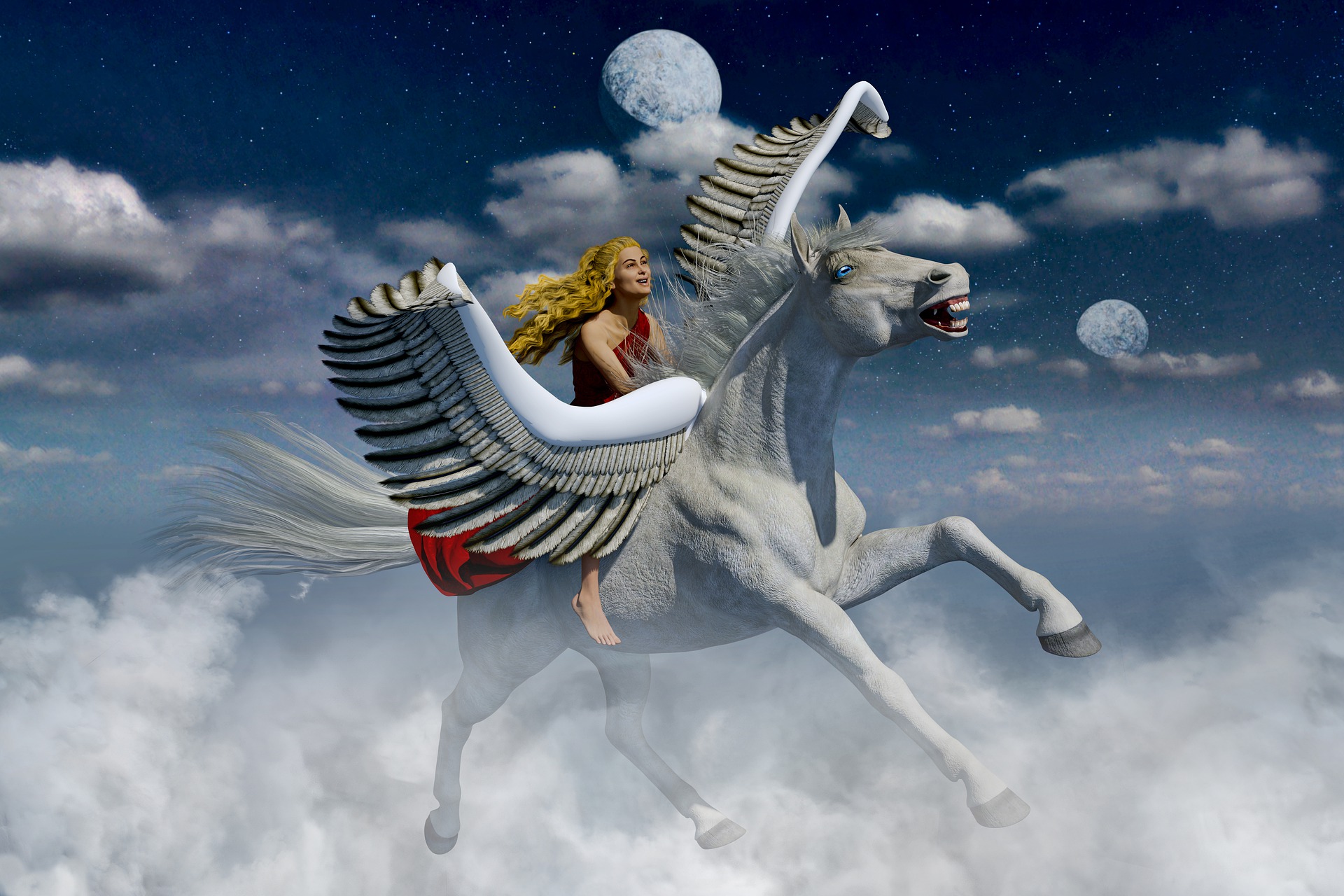
The creature, “Buraq’, in Muhammad’s dream, comes from Muhammad’s recollection of one of Aisha’s toys, a flying horse doll:
Narrated Aisha, Ummul Mu’minin:
When the Messenger of Allah arrived after the expedition to Tabuk or Khaybar (the narrator is doubtful), the draught raised an end of a curtain which was hung in front of her store-room, revealing some dolls which belonged to her.
He asked: “What is this?”
She replied: “My dolls.”
Among them he saw a horse with wings made of rags, and asked: “What is this I see among them?
She replied: “A horse.”
He asked: “What is this that it has on it?”
She replied: “Two wings.”
He asked: “A horse with two wings?”
She replied: “Have you not heard that Solomon had horses with wings?”
She said: “Thereupon the Messenger of Allah laughed so heartily that I could see his molar teeth.”
Sunan Abi Dawud 4932

Aisha reported:
Allah’s Messenger came back from the journey and I had screened my door with a curtain having portraits of winged horses upon it. He commanded me and I pulled it away.
Sunan Abi Dawud 4932
Obviously, this doll and door curtain imagery is combined with Aisha’s head, and the “riding” comes from Muhammad having sex with Aisha. You can guess what position. This blends into the dream, giving the night journey in Muhammad’s head, while asleep after sex. This is confirmed given the behaviour of angels and Buraq which seems to correspond to the actions and reactions of Aisha:
…I tethered it [Buraq] at the hitching post of the Prophets.
Tafsir Ibn Kathir, 17:1
Why would a magic creature sent by Allah need tethering? But a slave or wife does, when not needed by the Muslim man. Note as well, that there are no reins or harnesses on Buraq in the picture, and none is mentioned, as obviously Buraq is obeying Allah’s instruction to gallop/fly/teleport to Muhammad’s location. See for yourself:
But, Infidel, the picture clearly shows a saddle! It’s a skirt, that hides the private parts of Aisha. If you’re not sure, search for “Muslim saddle” on Google and you’ll see the obvious difference.
Another interesting coincidence is that “Buraq” is similar to “burqa” or “Burkha” in English. As I’m unskilled in Arabic, I obviously can’t compare the written Arabic. However, the Wikipedia entry for Buraq has:
According to Encyclopædia Iranica, “Boraq” is the Arabized form of “Middle Persian *barāg or *bārag, ‘a riding beast, mount’ (New Pers. bāra)”.
Buraq, Wikipedia
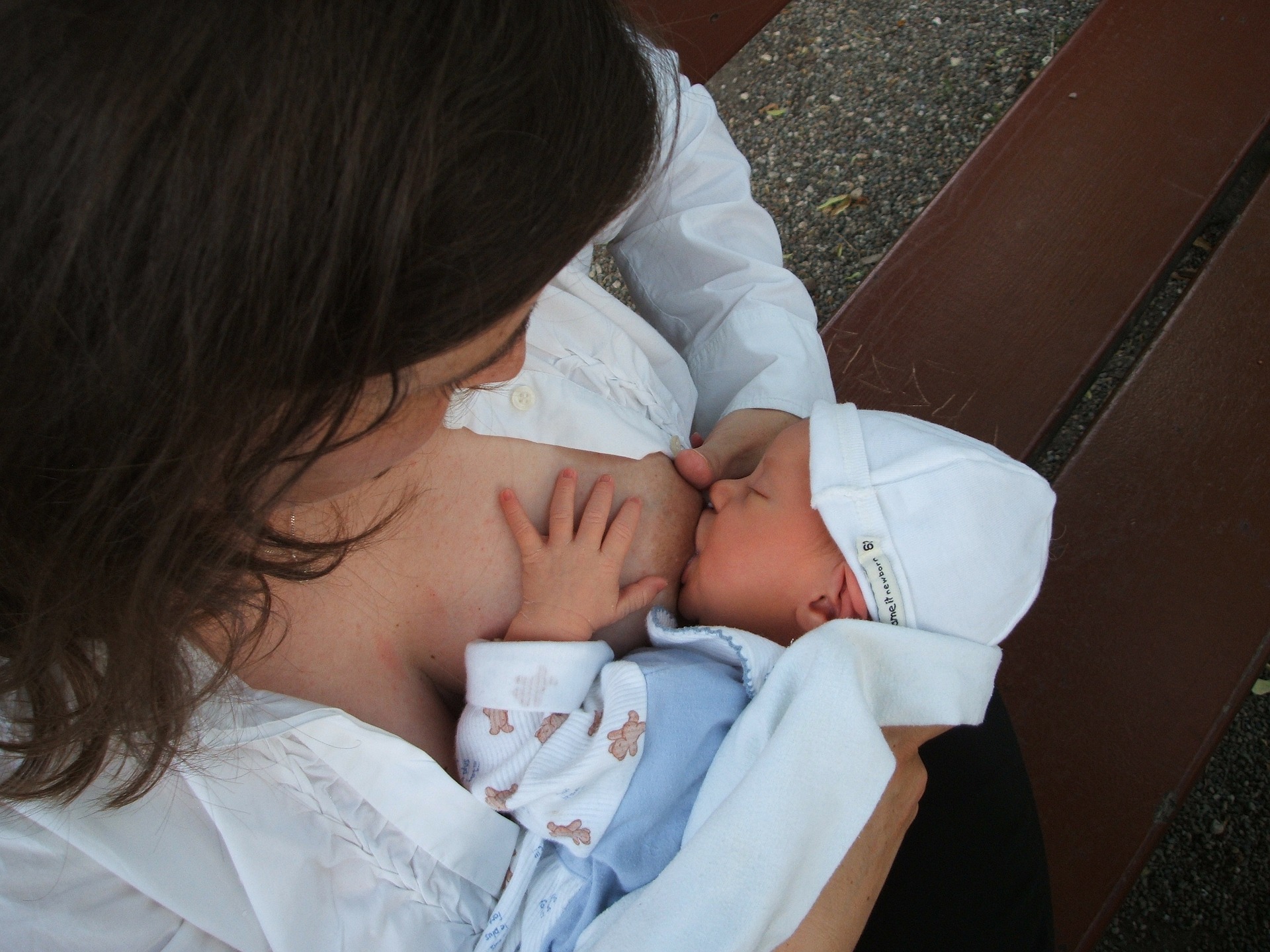
…a vessel of milk, and I chose the milk. Jibril said: `You have chosen the Fitrah (natural instinct).’
Tafsir Ibn Kathir, 17:1
This “natural instinct” is drinking HUMAN breast milk as an infant, Aisha’s breast.
The animal shied,…
Tafsir Ibn Kathir, 17:1
That’s Aisha moving in her sleep.
…Al-Buraq started to sweat.
Tafsir Ibn Kathir, 17:1
The normal reaction of sex, sweating on a hot night and Muhammad feeling moisture from Aisha’s body.
Also, no one has discovered the real location of “al Masjid al Aqsa” and no Muslims have been to this imaginary place. Obviously, Muslims realise this imaginary place, just like Allah and Islamic Paradise, is imaginary, and thus, false. And, as the descriptions of this imaginary place are KEPT OUT of Muhammad’s recitation, Muhammad’s Koran, one would have to agree that it’s not important to Muhammad, or even to imaginary Allah. Thus the “signs” are simply Muhammad boasting of his dream.
The Tafsir Ibn Kathir, 17:1 claims this was a real journey, but a real journey requires a real buraq, who, as a magical animal, a FICTIONAL animal, doesn’t exist. The magical animal actually being Aisha during and after sex with Muhammad fits the details of Muhammad’s story, and worse for Islam, the fact that all this is NOT in the Koran, but is instead in hadith, shows that it’s inherently unreliable. Right?
Even worse for Islam, the next two verses are about Moses and Noah, repeated reminders of their stories, which have no place here. Logically if Muhammad’s dream, his night journey was important, the details should be here instead of Muhammad rambling about Moses and Noah. As it’s unimportant in the judgement of Muhammad, we should accept his authority over this matter. Thus, Israel, Israelis and the Jews should have Jerusalem as their capital, as it’s no longer of importance to Islam.
Alternative Interpolation
The best replacement for this passage is: “”, the empty sentence.

 Koran Contradiction
[…] As for Allah presenting examples, there are none, except Muhammad’s dream of evil Jibril attacking Muhammad, and Muhammad’s dream of visiting Allah on an imaginary flying donkey, all of which only Muhammad had, no one else. For more about the Night Journey, see: Koran 17:1. […]
LikeLike
[…] Buraq – ignore the face of Aisha, and what it really means. […]
LikeLike
[…] Can you see a “revelation revealed” in this passage? All I can see is a secretary recounting Muhammad’s experience of seeing Jibril and, later, recounting Muhammad’s dream experience in the Night Journey. […]
LikeLike
[…] Koran 17:1 […]
LikeLike
[…] by “your enemies” – I wonder what happened to the mosque that Muhammad visited in Koran 17:1, just three verses earlier? It’s a good thing that after the Muslims invaded, they built the […]
LikeLike
[…] Qur’an 17:1 […]
LikeLike
[…] Infidel, Buraq?! Even Muhammad knew Buraq was imaginary and was Aisha, and wouldn’t let her be ridden by the common […]
LikeLike