
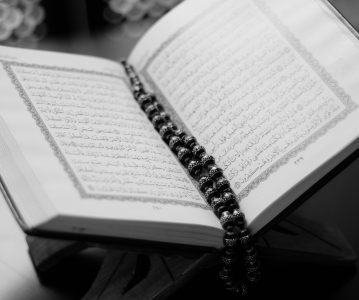

11:61 And to Thamud [We sent] their brother Salih.
He said, “O my people, worship Allah; you have no deity other than Him. He has produced you from the earth and settled you in it, so ask forgiveness of Him and then repent to Him. Indeed, my Lord is near and responsive.”
62 They said, “O Salih, you were among us a man of promise before this. Do you forbid us to worship what our fathers worshipped? And indeed we are, about that to which you invite us, in disquieting doubt.”
63 He said, “O my people, have you considered: if I should be upon clear evidence from my Lord and He has given me mercy from Himself, who would protect me from Allah if I disobeyed Him? So you would not increase me except in loss. 64 And O my people, this is the she-camel of Allah – [she is] to you a sign. So let her feed upon Allah’s earth and do not touch her with harm, or you will be taken by an impending punishment.”
65 But they hamstrung her, so he said, “Enjoy yourselves in your homes for three days. That is a promise not to be denied.”
66 So when Our command came, We saved Salih and those who believed with him, by mercy from Us, and [saved them] from the disgrace of that day. Indeed, it is your Lord who is the Powerful, the Exalted in Might.
67 And the shriek seized those who had wronged, and they became within their homes [corpses] fallen prone 68 As if they had never prospered therein. Unquestionably, Thamud denied their Lord; then, away with Thamud.
Koran 11:61-68
This is the second of at least six repetitions of the story of Saleh. It’s an obvious role-play by Muhammad, playing as Saleh, with the Quraysh people made to be “Thamud”, the people of “Saleh”. And let’s remember this is the chapter about Hud, not Thamud.
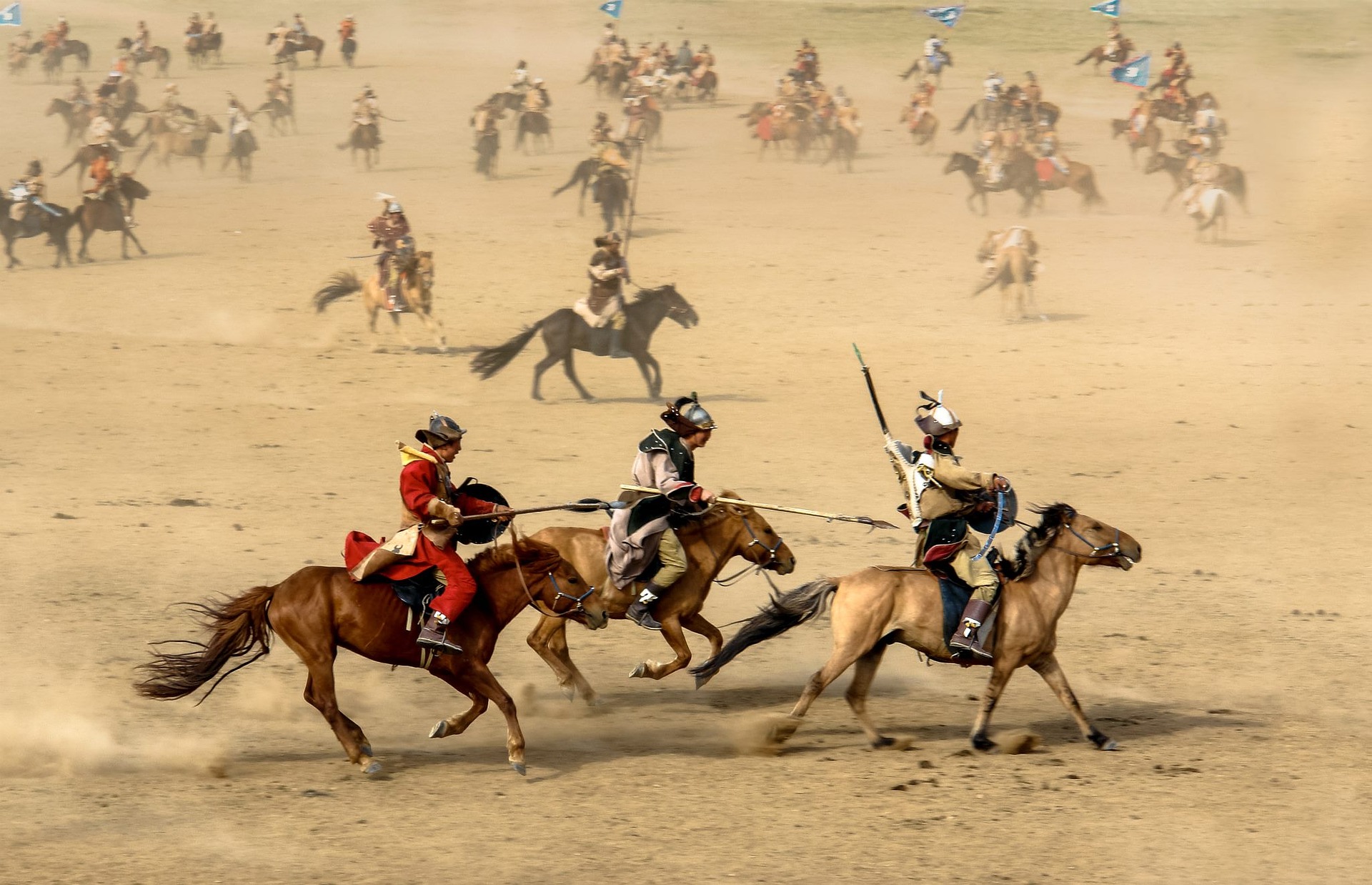
As before, the people give quite reasonable objections, which Muhammad avoids answering and diverts instead. Muhammad’s sign is merely an ordinary she-camel, which Muhammad demands special treatment. Note especially that while Allah can only speak to Muhammad, he’s unable to speak with any of the people of “Thamud” at all. But, notice carefully, that the “shriek” communicates from Allah, presumably noise and death. So why is Allah’s creation able to speak to all, but Allah himself can’t speak? Thus we know that the “Shriek” is not from Allah. Instead, it’s more like Muhammad’s bandits sweeping in on camels and horses, screaming Allah’s name and frightening everyone in Mecca. Obvious force, no persuasion, no signs. As such the best replacement for this passage is: “”, the empty sentence.

 Koran Contradiction
[…] Qur’an 11:61-68 […]
LikeLike