
7:128 Said Moses to his people, “Seek help through Allah and be patient. Indeed, the earth belongs to Allah. He causes to inherit it whom He wills of His servants. And the [best] outcome is for the righteous.”
129 They said, “We have been harmed before you came to us and after you have come to us.”
He said, “Perhaps your Lord will destroy your enemy and grant you succession in the land and see how you will do.”
Koran 7:128-129
Muhammad quoted the words of imperfect Hebrews, Moses and a group of unnamed Hebrew people. Obviously, the words of these people should not be in the perfect words of the perfect Qur’an from perfect Allah. Just for that alone, the best replacement for this passage is: “”, the empty sentence.
Of course, help never comes through Allah, the land never belongs to Allah and no one inherits it from Allah, Allah doesn’t destroy enemies, nor does Allah grant succession in the land, and nothing good comes to the lazy. The Israelites didn’t inherit Egypt but left it.
Muhammad, role-playing as Moses, lied: “Perhaps your Lord will destroy your enemy and grant you succession in the land and see how you will do.” Note that Muhammad is uncertain with his “Perhaps”. Also, note that Muhammad is admitting that Allah differs from YWHW by reciting “your Lord”. Perhaps Muhammad didn’t want his Muslims to realise that YHWH is different from Muhammad’s imaginary Allah? See NIV Exodus 3:13-15:
13 Moses said to God, “Suppose I go to the Israelites and say to them, ‘The God of your fathers has sent me to you,’ and they ask me, ‘What is his name?’ Then what shall I tell them?”
14 God said to Moses, “I am who I am. This is what you are to say to the Israelites: ‘I am has sent me to you.'”
15 God also said to Moses, “Say to the Israelites, ‘The Lord, the God of your fathers—the God of Abraham, the God of Isaac and the God of Jacob—has sent me to you.’
“This is my name forever, the name you shall call me from generation to generation.”
NIV Exodus 3:13-15
This Koran passage seems to be out of order, like the previous passage in Koran 7:127 and could relate to the harsh enslavement of the Hebrews before Moses, while Moses was away, and during the return of Moses. I’ve tried repeatedly to assign this passage to a section of the story of Moses in Exodus, but it seems far too abstract and divorced from the story of Moses. The least bad place I can see is from NIV Exodus 5:19-21:
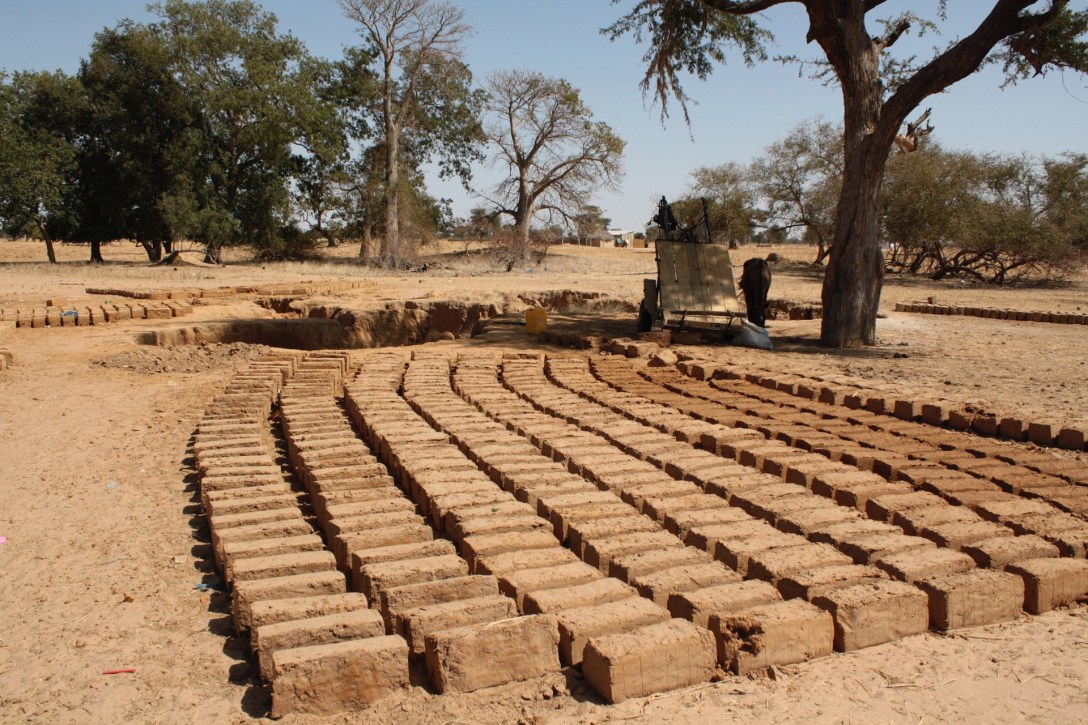
19 The Israelite overseers realized they were in trouble when they were told, “You are not to reduce the number of bricks required of you for each day.” 20 When they left Pharaoh, they found Moses and Aaron waiting to meet them, 21 and they said, “May the Lord look on you and judge you! You have made us obnoxious to Pharaoh and his officials and have put a sword in their hand to kill us.”
NIV Exodus 5:19-21
As you can see, this passage of the Koran needs knowledge of Exodus from Torah or Bible for context, thus Koran requires Torah or Bible for support, which is incoherent with the notion that the Koran is the perfect words of the perfect Qur’an from perfect Allah. This also confirms that Muhammad thought Torah and Bible were true and complete and were available to rely upon for this passage to have the context it obviously needs and to place it correctly in the context of the story from the Torah and Bible.
However, a better solution is that Muhammad is role-playing as Moses and his people are actually Muslims from the Quraysh. Thus, with editing to remove the role-playing:
Said
Moses(Muhammad) to hispeople(Muslims), “Seek help through Allah and be patient. Indeed, the earth belongs to Allah. He causes to inherit it whom He wills of HisservantsMuslims. And the [best] outcome is for therighteousMuslims.”129
They(The Muslims) said, “We have been harmed before you came to us and after you have come to us.”He said, “Perhaps
Koran 7:128-129 editedyour Lord(Allah) will destroy your enemy and grant you succession in the land and see how you will do.”
Then with the edits in place, the corrected version is:
Said Muhammad to his Muslims, “Seek help through Allah and be patient. Indeed, the earth belongs to Allah. He causes to inherit it whom He wills of His Muslims. And the [best] outcome is for the Muslims.”
129 The Muslims said, “We have been harmed before you came to us and after you have come to us.”
He said, “Perhaps Allah will destroy your enemy and grant you succession in the land and see how you will do.”
Koran 7:128-129 corrected
The many problems with this passage show that the best replacement for this passage is: “”, the empty sentence.

 Koran Contradiction
[…] Qur’an 7:128-129 […]
LikeLike