

The Koran mentions two seas, one “fresh and sweet” and the other “salty and bitter”:
And it is He who has released [simultaneously] the two seas, one fresh and sweet and one salty and bitter, and He placed between them a barrier and prohibiting partition.
Koran 25:53, Tafsir Ibn Kathir, 25:51
There’s been a lot of Muslim apologetic nonsense on this, like this common example:

So, let’s look at the verses that seem to confuse Muslims:
Is He [not best] who made the earth a stable ground and placed within it rivers and made for it firmly set mountains and placed between the two seas a barrier? Is there a deity with Allah? [No], but most of them do not know.
Koran 27:61, Tafsir Ibn Kathir, 27:61
55:19 He released the two seas, meeting [side by side]; 20 Between them is a barrier [so] neither of them transgresses.
Koran 55:19-20, Tafsir Ibn Kathir, 55:14
Infidel, you are defeated, the two seas are there in your picture AND in the NOBLE QUR’AN!!! I see, so let’s show a few more verses about the Two Seas and marvel at Muhammad’s wisdom:
From both of them emerge pearl and coral.
Koran 55:22, Tafsir Ibn Kathir, 55:14
Notice that pearls and coral don’t actually “emerge” from the freshwater sea and the saltwater sea. This is done by the hard work of fishermen, pearl divers, pearl farmers, etc.
And [mention] when Moses said to his servant, “I will not cease [traveling] until I reach the junction of the two seas or continue for a long period.”
Koran 18:60, Tafsir Ibn Kathir, 18:60
Note that Muhammad thinks the junction of the two seas, one salt, the other fresh, can be reached if one travels to this apparently obvious place, which takes “a long period”.
And not alike are the two bodies of water. One is fresh and sweet, palatable for drinking, and one is salty and bitter. And from each you eat tender meat and extract ornaments which you wear, and you see the ships plowing through [them] that you might seek of His bounty; and perhaps you will be grateful.
Koran 35:12, Tafsir Ibn Kathir, 35:12
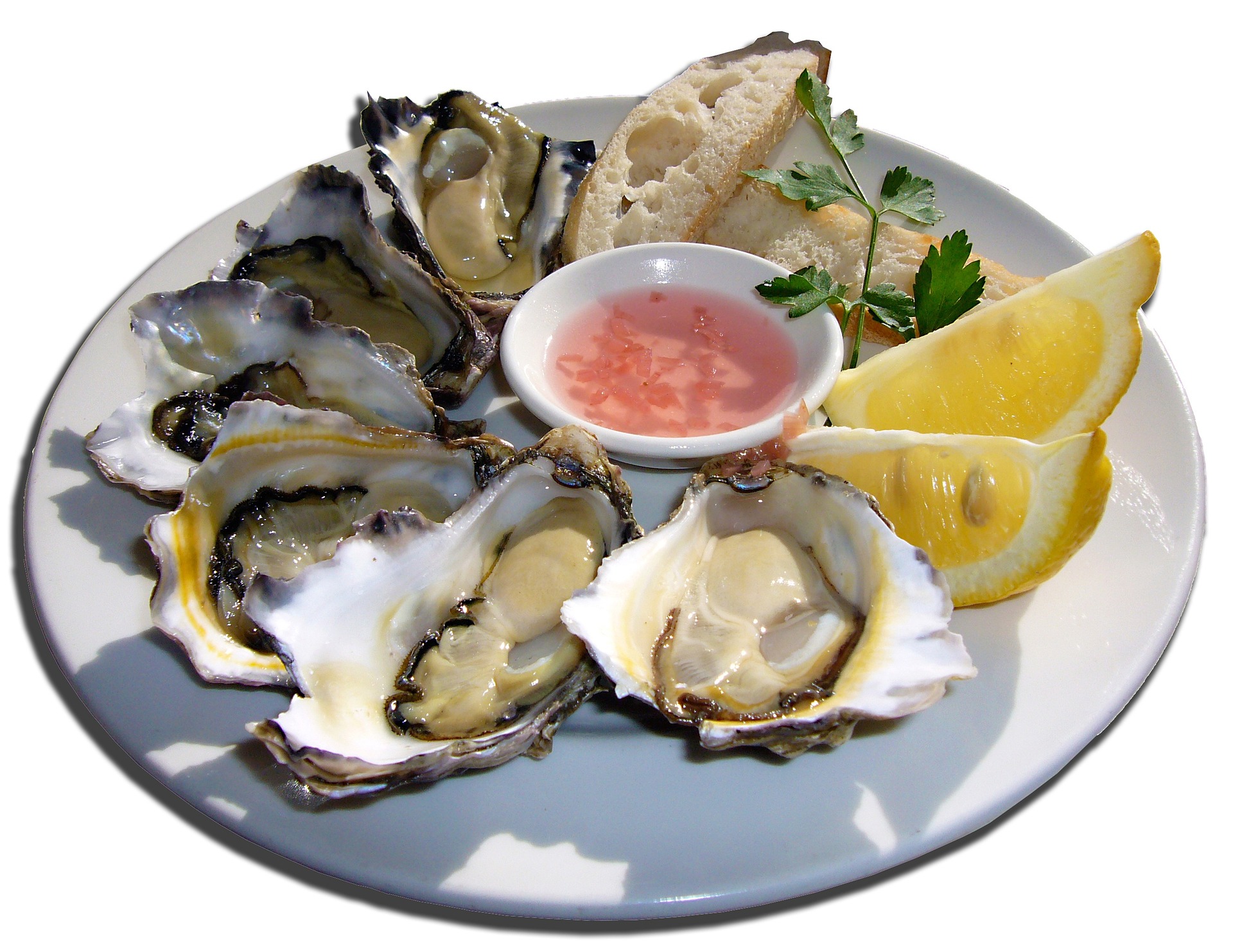
Notice that Muhammad “knows” that “tender meat” and “ornaments which you wear” can be extracted “from each” sea. Interestingly enough, you can “see the ships plowing through”, which is interesting because it takes “a long period” to walk to the junction, yet “the ships” are “plowing through”. And yet, mere humans can “extract” the “tender meat” and “ornaments which you wear”, for Muhammad to enjoy.

So, when the Muslim apologists point to a picture of a river mixing with seawater, obviously a ship can’t be “plowing through” this, because this seems like a line, and it only takes seconds for a sailing ship to cross. For example:
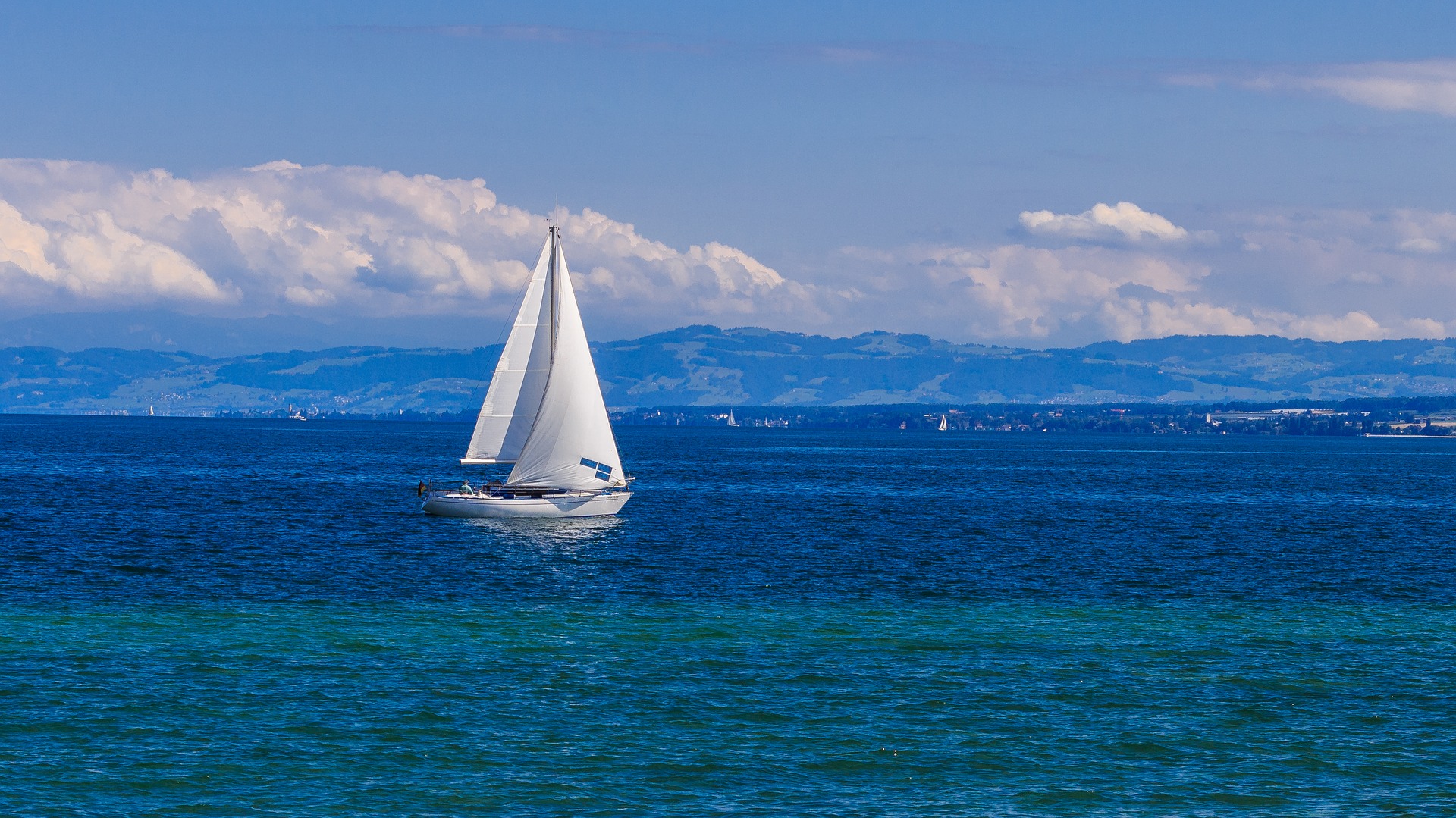
Notice the different colours of the water in the picture. There’s shallow water, deep water and other formations that I don’t know, but I can guess it might be the wake of a speedboat. And note that none are divisions between seawater and saltwater, as this lake is entirely freshwater. Let’s look at another picture:

Here the sailboard is sailing along in the lighter part of the seawater and the darker seawater is further out. Obviously, this is not a division between freshwater and saltwater, as both are salty seawater, one is less deep, the other deeper.

Here’s a large river, Rio del la Plata, from NASA. The mud and silt colour the river water and are deposited in the sea, which as you can see, has a transitional effect, from brown to blue of the sea water.
So, let’s look at the apologist picture again:
Obviously, a ship or sailboat can cross that “line” in a few seconds, travelling to/from the ocean to/from the “fresh’ water.
So why do the apologists think that the seas are side by side when plainly they are not side by side?
He released the two seas, meeting [side by side];
Koran 55:19
The Muslim apologists get the idea that the seas are meeting “[side by side]” from the translator’s addition: “[side by side]”. So, let’s check, are there any side-by-side seas, of freshwater and saltwater? There aren’t. The closest there are, is rivers running into the ocean, through an estuary:
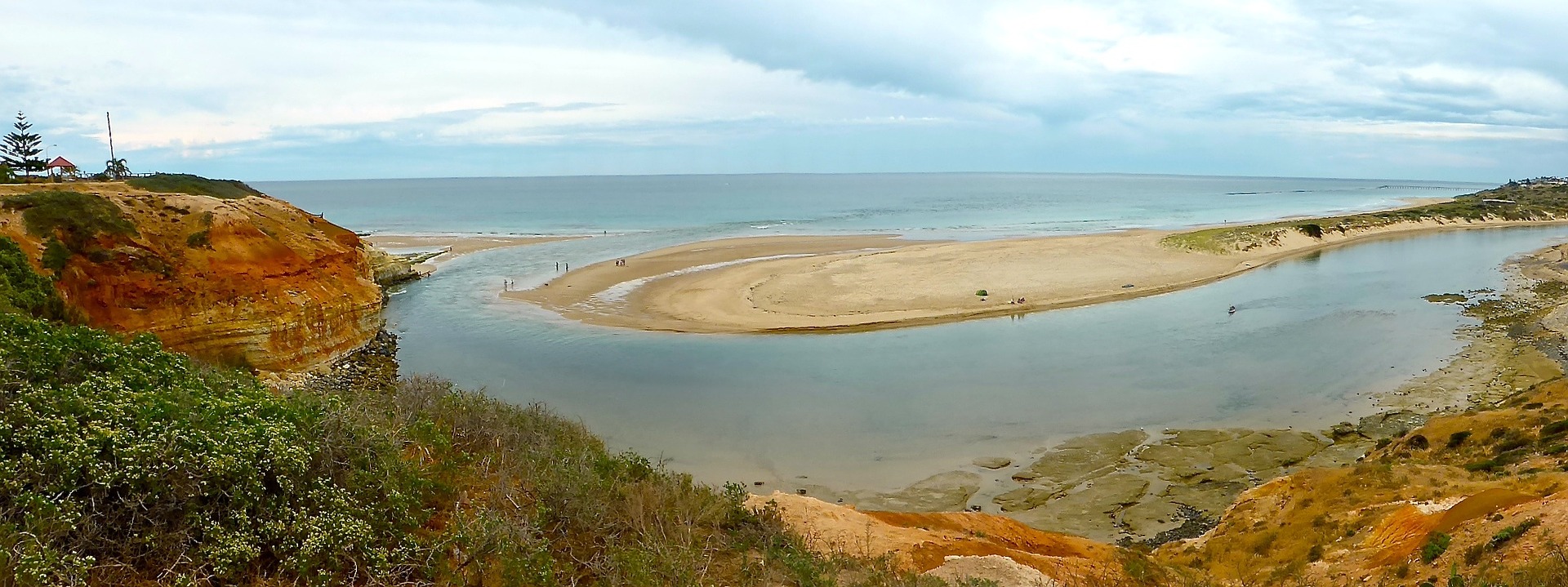
This is the definition of Estuary:
An estuary is a partially enclosed coastal body of brackish water with one or more rivers or streams flowing into it, and with a free connection to the open sea.
Estuary, Wikipedia
What seems like the closest and most significant estuary to where Muhammad was, is the estuary of the Shatt al Arab flowing into the Persian Gulf, and of course, this is a river flowing into a sea, not two seas.
So, by definition and by maps, we can see that there are no “seas” of freshwater that are “[side by side]” with the seas of saltwater.
But Infidel, there’s the Great Lakes in America! Which isn’t “[side by side]” with a saltwater sea. See for yourself:

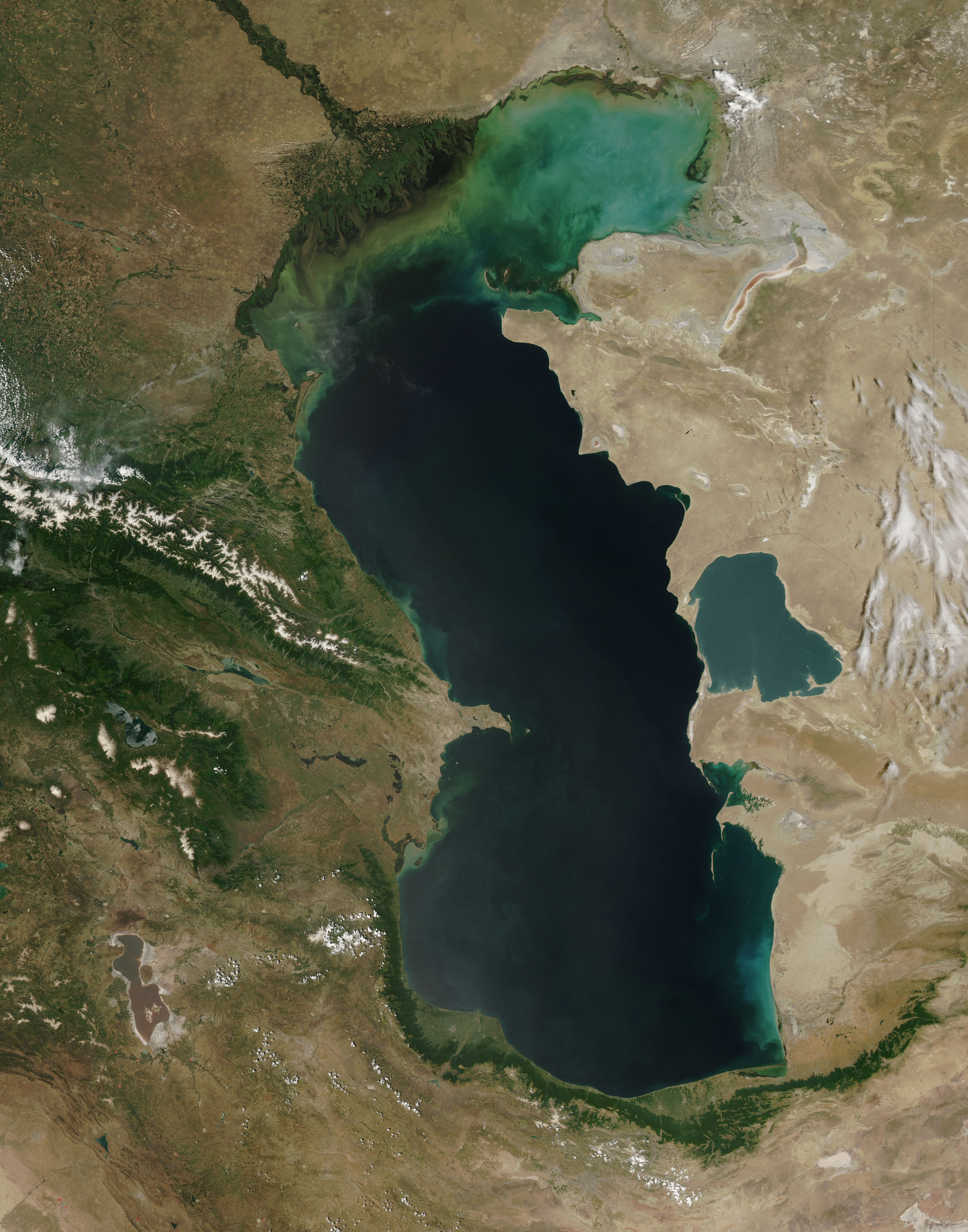
But, Infidel, it’s the Caspian Sea! Which isn’t “[side by side]” with a saltwater sea. See for yourself:
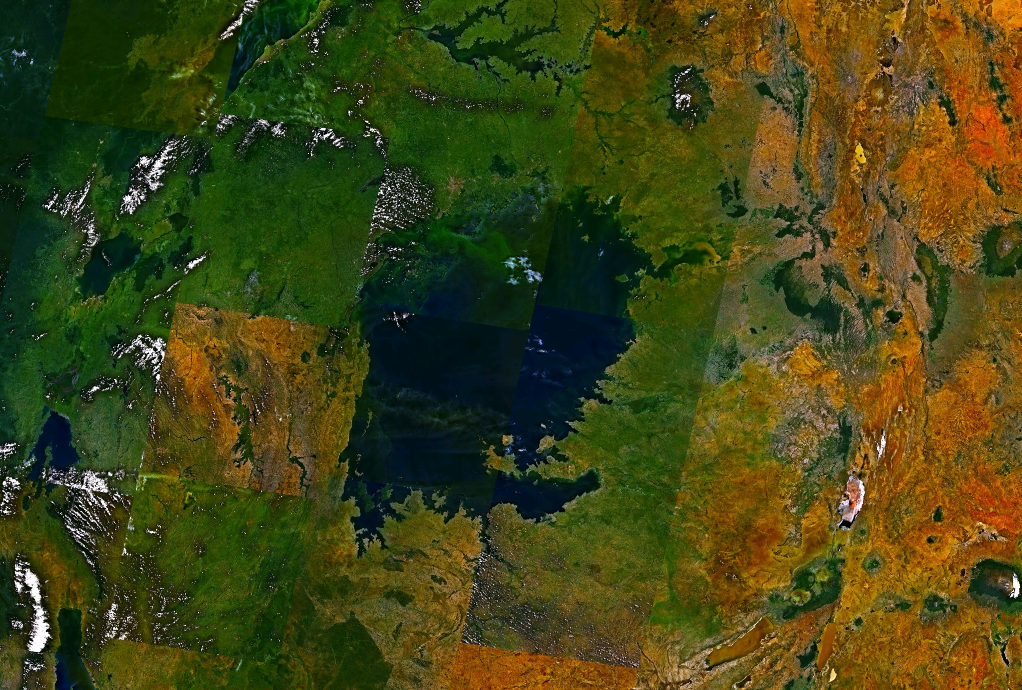
But, Infidel, it’s Lake Victoria! Which isn’t “[side by side]” with a saltwater sea. See for yourself:
So that’s enough of that desperation. Let’s get back to those pearls and “coral”? in the Koran:
From both of them emerge pearl and coral.
Koran 55:22, Tafsir Ibn Kathir, 55:14
So where do pearls come from?
A pearl is a hard, glistening object produced within the soft tissue (specifically the mantle) of a living shelled mollusk or another animal, such as fossil conulariids. Just like the shell of a mollusk, a pearl is composed of calcium carbonate (mainly aragonite or a mixture of aragonite and calcite)[3] in minute crystalline form, which has deposited in concentric layers. The ideal pearl is perfectly round and smooth, but many other shapes, known as baroque pearls, can occur. The finest quality of natural pearls have been highly valued as gemstones and objects of beauty for many centuries. Because of this, pearl has become a metaphor for something rare, fine, admirable and valuable.
Pearl, Wikipedia
Interestingly, both saltwater and freshwater molluscs can produce pearls.

Muhammad was familiar with pearls, oysters and their shells:
There will circulate among them [servant] boys [especially] for them, as if they were pearls well-protected.
Koran 52:24
As if they were rubies and coral.
Koran 55:58
Ruby lips and white (like coral) skin.
56:22 And [for them are] fair women with large, [beautiful] eyes, 23 The likenesses of pearls well-protected, 24 As reward for what they used to do.
Koran 56:22-24
They will be adorned therein with bracelets of gold and pearl
Excerpt, Koran 22:23
And of the devils [i.e., jinn] were those who dived for him
Excerpt, Koran 21:82
The devils or Jinn dive for him, fetching oysters for pearls.

So, what’s the “coral”?
And from each you eat tender meat and extract ornaments which you wear,…
Koran 35:12
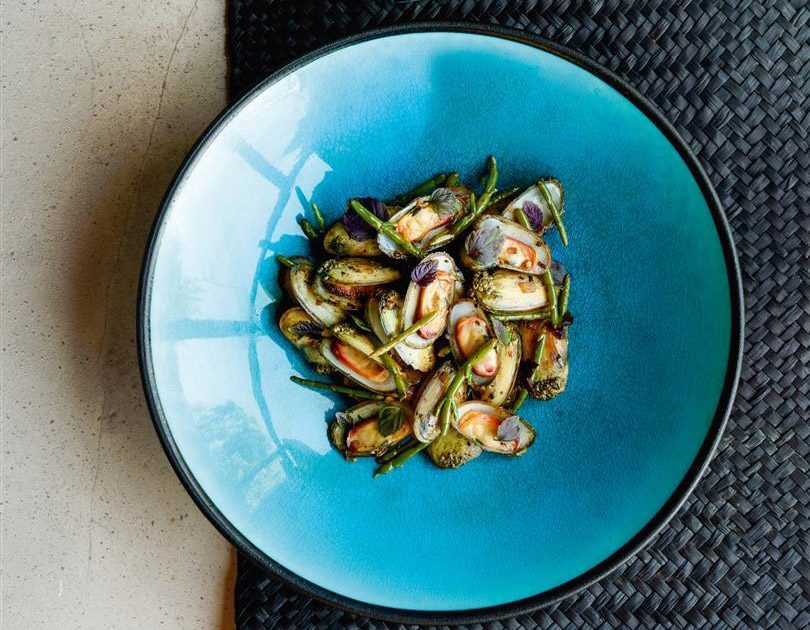
So “from each” of the two seas, people eat “tender meat” and “extract ornaments which you wear”. That “tender meat” isn’t fish. It’s the meat of the mollusc. So those “ornaments” which are extracted are “pearl” and “coral”? There are some precious corals, but they grow deep in the sea, not in freshwater seas. So, what’s the “coral”? I suggest instead that the “coral” which doesn’t grow in freshwater seas or rivers, that “coral” is actually something very obvious: “Mother of Pearl” or “Nacre“, which is extracted to make “ornaments which you wear”.
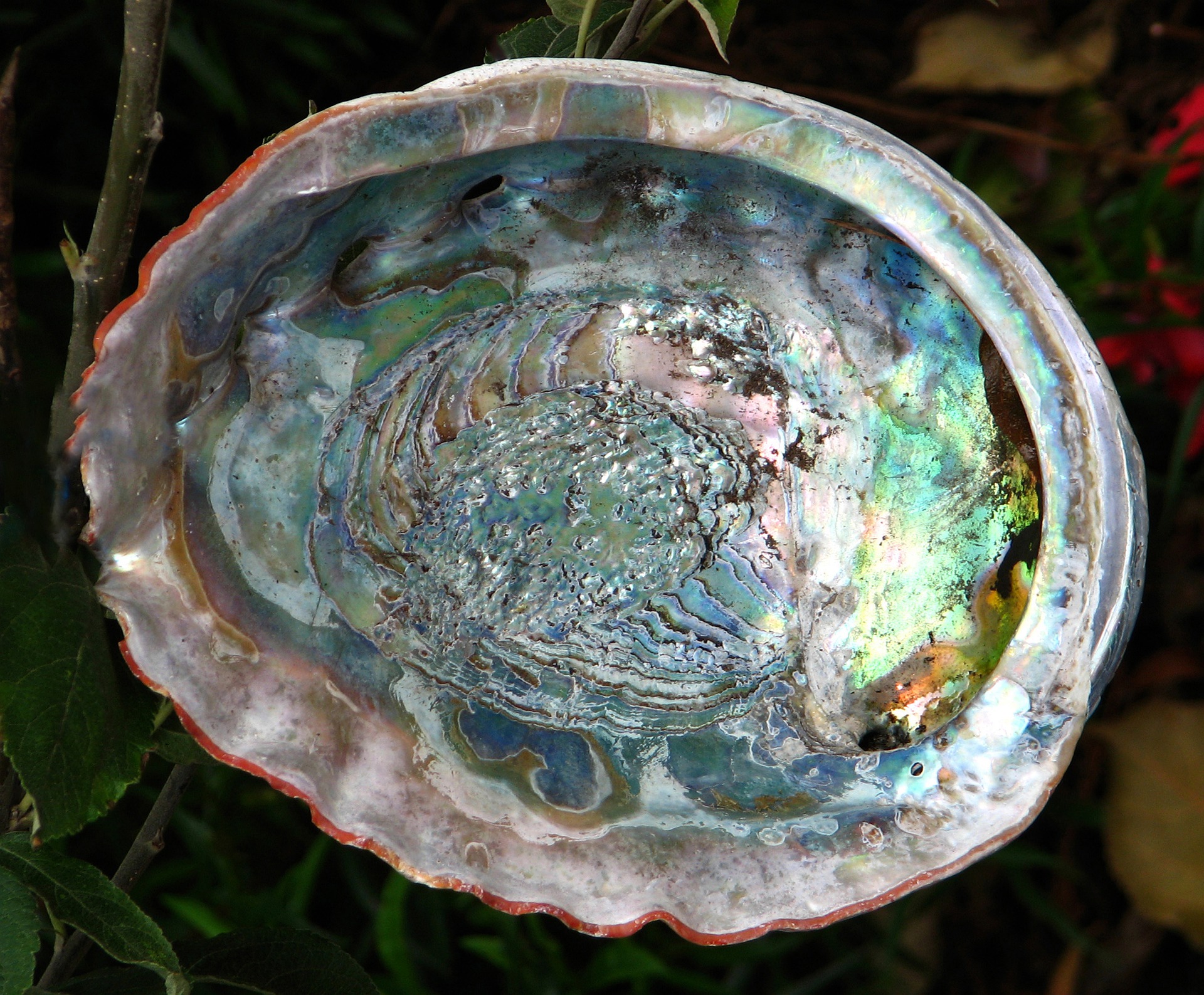
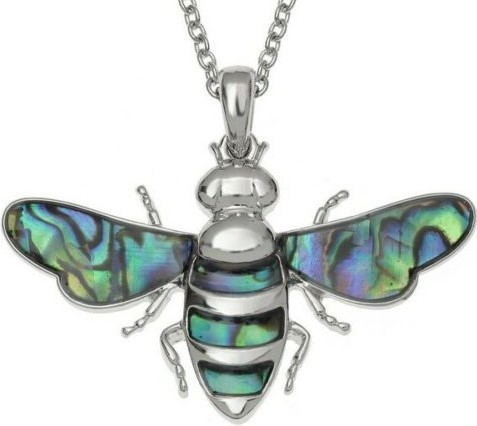

The outer layer of cultured pearls and the inside layer of pearl oyster and freshwater pearl mussel shells are made of nacre.
Nacre (Mother of Pearl), Wikipedia
So where do these freshwater oysters, etc, grow in the freshwater sea? They don’t. They grow in rivers, but, these rivers, don’t they come from a freshwater sea? Indeed, they do:

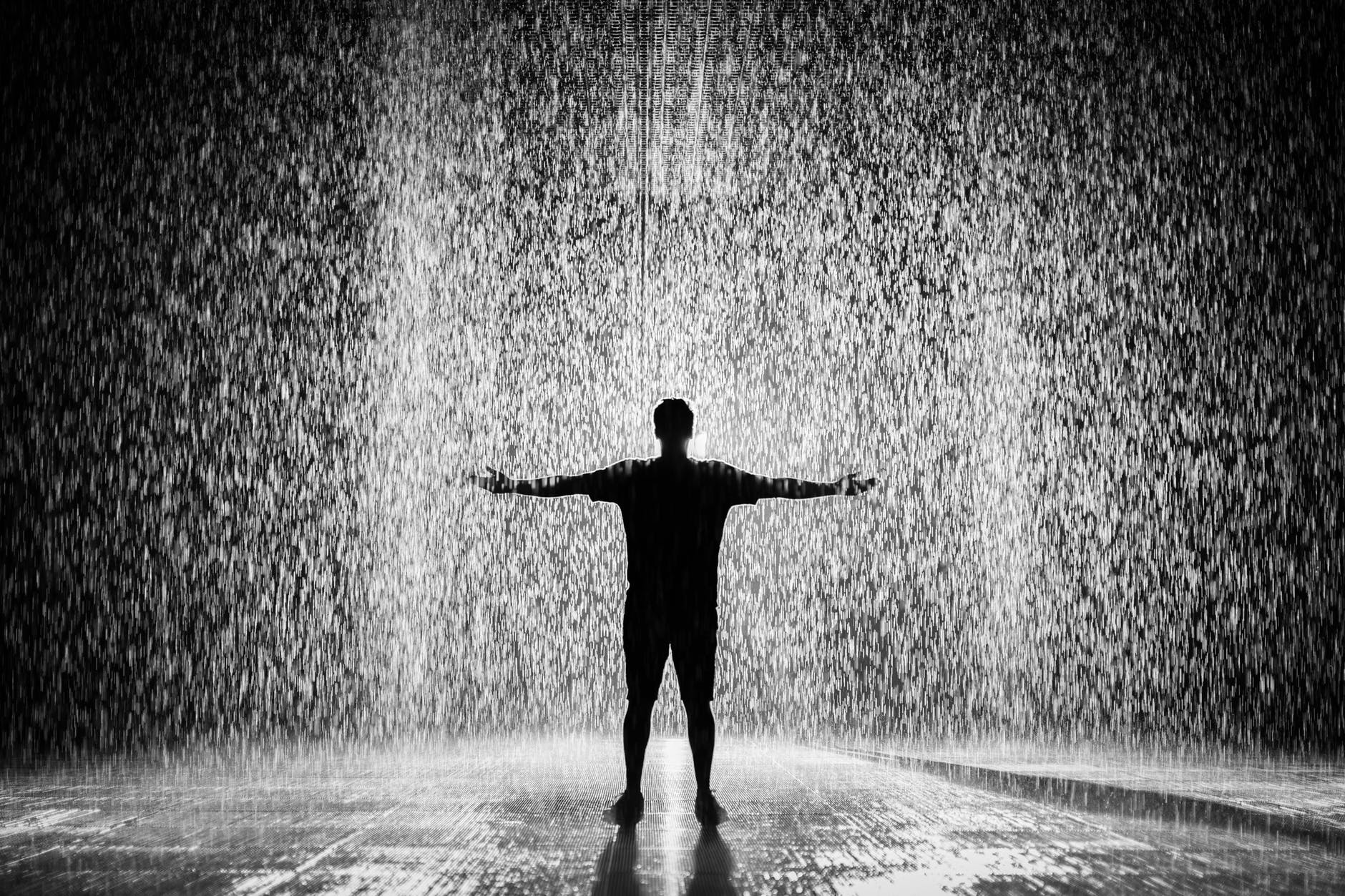

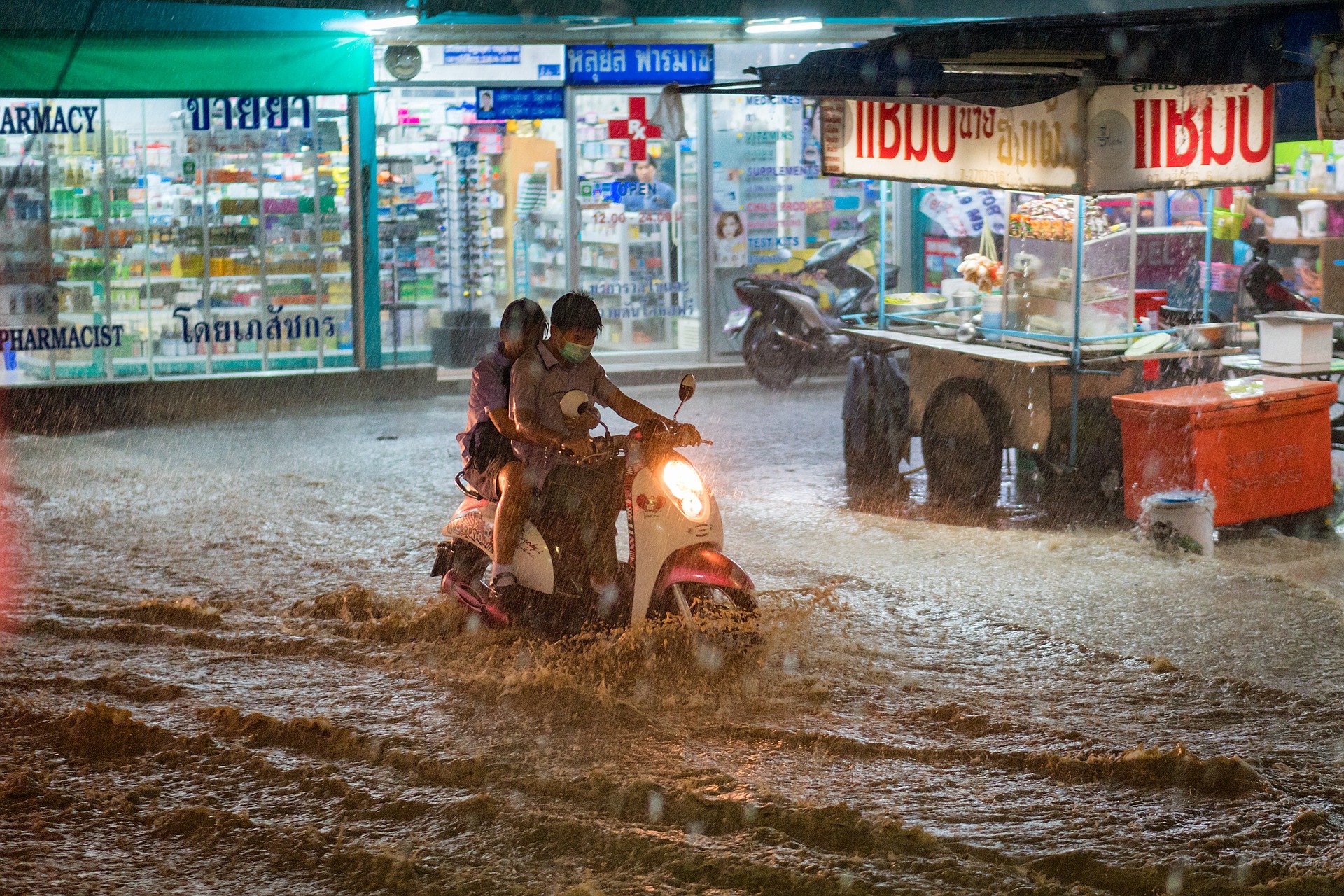


So where is the freshwater sea? Here:
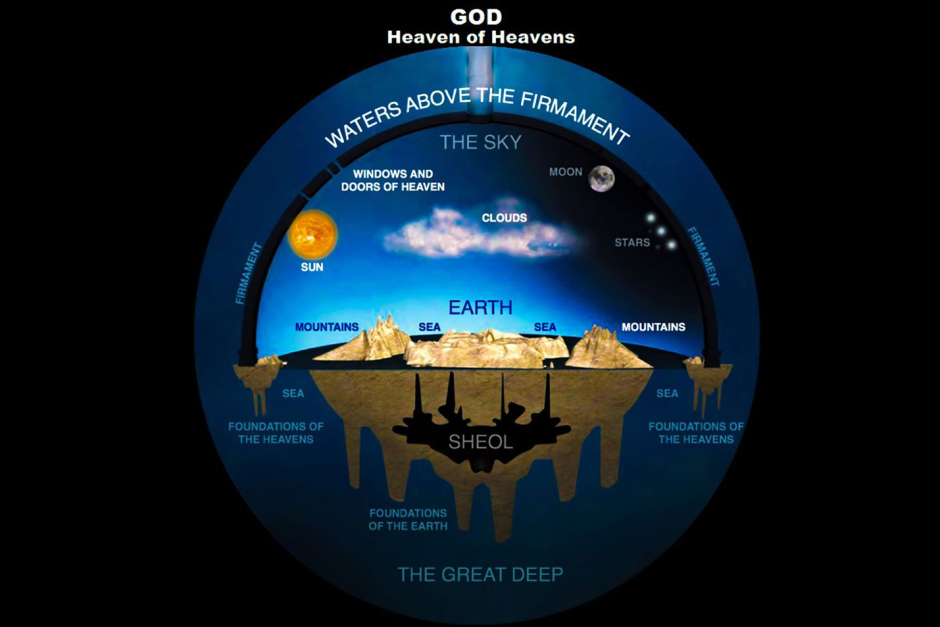
How do I know this to be “true”?
And [mention] when Moses said to his servant, “I will not cease [traveling] until I reach the junction of the two seas or continue for a long period.”
Koran 18:60, Tafsir Ibn Kathir, 18:60
That “junction of the two seas” is where the firmament and the waters above the firmament meet at the edge of the flat earth. That’s why Muhammad didn’t bother with a direction, because this “junction” is in all directions, north, south, east and west, where you can travel for “a long period” on the flat Earth.
This is why Muhammad agrees with He of the Two Horns that the Sun sets in “a spring of dark mud”:
Until, when he reached the setting of the sun, he found it [as if] setting in a spring of dark mud, and he found near it a people.
Koran 18:86
And the Sun rises in a certain place:
Until, when he came to the rising of the sun, he found it rising on a people for whom We had not made against it any shield.
Koran 18:90
The Firmament is:
He placed between them a barrier and prohibiting partition.
Koran 25:53
…placed between the two seas a barrier?
Koran 27:61
Between them is a barrier [so] neither of them transgresses.
Koran 55:20
The saltwater sea is the oceans on Earth, and the freshwater sea is the “waters above”, the source of the rain.
This is why the ships can “plow”:
…you see the ships plowing through [them] that you might seek of His bounty
Koran 35:12

From Muhammad on the land looking at ships going over the horizon, the ship seems to be “plowing” through the waves of the sea and the “waves” of the clouds above.

Or [they are] like darknesses within an unfathomable sea which is covered by waves, upon which are waves, over which are clouds – darknesses, some of them upon others. When one puts out his hand [therein], he can hardly see it.
Koran 24:40

That’s what the two seas are, the saltwater sea below, and the freshwater sea above. And to confirm it, here’s Muhammad explaining things:
Waki’ bin Hudus narrated that his paternal uncle Abu Razin said:
“O Messenger of Allah, where was our Lord before He created His creation?”He said: “He was above the clouds, below which was air, and above which was air and water. Then He created His Throne above the water.”
Book 1, Hadith 182
And later, I found Muhammad mentioning the two seas meeting “the waters met” in one of the stories about Noah:
11 Then We opened the gates of the heaven with rain pouring down 12 And caused the earth to burst with springs, and the waters met for a matter already predestined.
Koran 54:11-12
Muhammad didn’t understand the water cycle:

For more, see: Allah – Rain God?
Muhammad was a false prophet, for a false god, Allah, for a false religion, Islam, without even a false book, the Koran.
 Koran Contradiction