
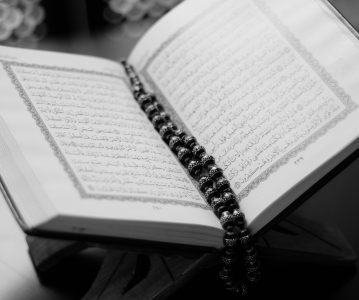

Who are the “People of the Book” or “People of the Scripture”, as later translations have it in the Koran? According to Wikipedia:
People of the Book (Arabic: أهل الكتاب, romanized: Ahl al-Kitāb) is an Islamic term which refers to Christians, Jews, Sabians (commonly identified with the Mandaeans) and Zoroastrians, all of whom are mentioned in the Quran.
People of the Book, Wikipedia
Later in the same article, Wikipedia mentions:
The term was later extended to other religious communities that fell under Muslim rule, including Sikhs and even the polytheistic Hindus.
People of the Book, Wikipedia
Also, it’s restricted to just Jews and Christians concerning marriage:
The Quran often speaks respectfully about the People of the Book and permits marriage of Muslim men to women who are People of the Book (Jewish and Christian women); in the case of a Muslim-Christian marriage, which is to be contracted only after permission from the Christian party, the Christian women should not be prevented from attending church for prayer and worship, according to the Ashtiname of Muhammad. However, a Christian man is prevented from marrying a Muslim woman.
People of the Book, Wikipedia
As we can see, it’s a rather malleable term referring to Jews and Christians only for marriage, to Jews, Christians, Sabeans and Zoroastrians in Muhammad’s time, or including Sikhs and even the polytheistic Hindus in our time.
One people who are missing from the term “People of the Book” or “People of the Scripture” is Muslims. Muslims don’t have a scripture.
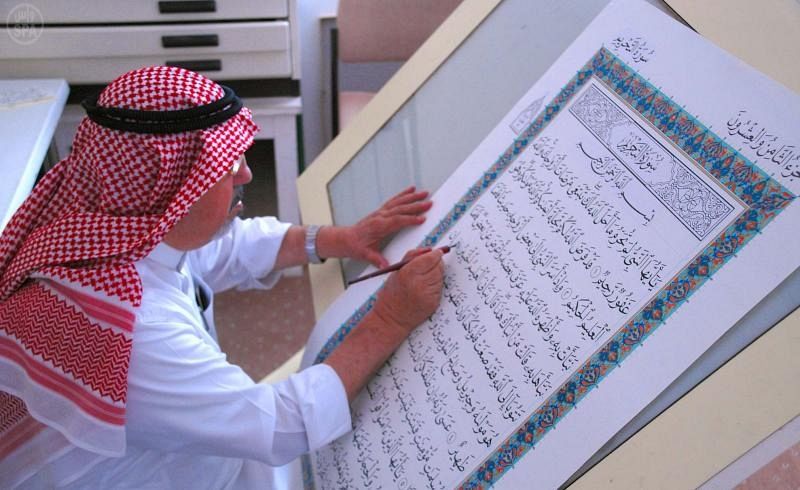
But, Infidel, we Muslims have the Koran! Which is written by Muslims, who pretend their words are from Allah:
So woe to those who write the “scripture” with their own hands, then say, “This is from Allāh,” in order to exchange it for a small price.
Woe to them for what their hands have written and woe to them for what they earn.
Koran 2:79
Now, how many books are the “Book” or “Scripture”? Obviously, there’s the Torah of the Jews, their primary book which includes many books, including Genesis, Exodus, etc. There’s also the Bible of the Christians, which includes the Torah, as well as many gospels, letters and books. So, is the “Book” or “Scripture” one, two or many?
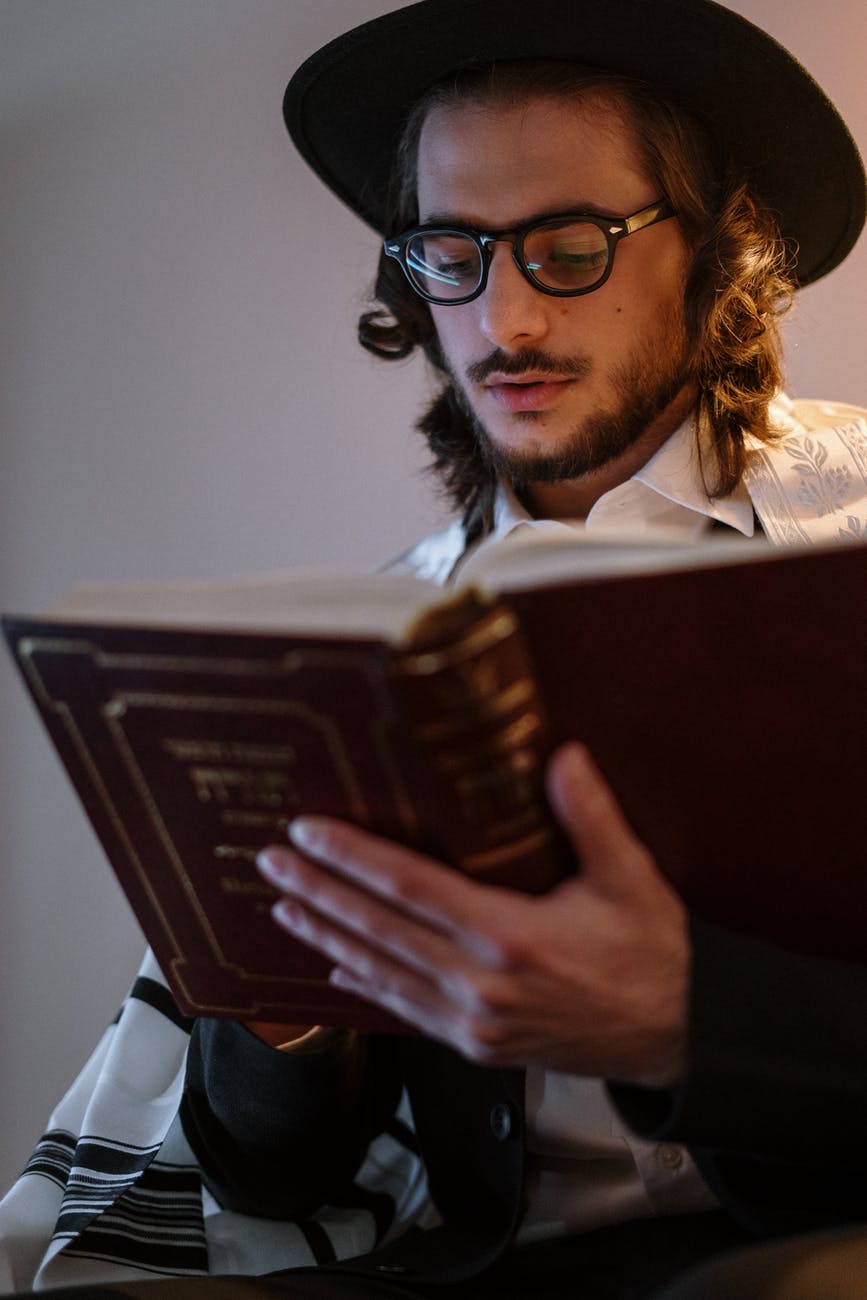

Worse, where does the Koran fit, when it’s not a “Book” or “Scripture”? If it’s Book 3, why doesn’t it include the Torah and Bible, like the Bible includes the Torah?
Also, where’s the book of the Sikhs?
The Guru Granth Sahib (Punjabi: ਗੁਰੂ ਗ੍ਰੰਥ ਸਾਹਿਬ, pronounced [ɡʊɾuː ɡɾəntʰᵊ saːhɪb]) is the central holy religious scripture of Sikhism, regarded by Sikhs as the final, sovereign and eternal Guru following the lineage of the ten human gurus of the religion.
Guru Granth Sahib, Wikipedia
Where are the books of the Hindus?
The most holy of the Hindu books is written in Sanskrit and is referred to as the Vedas. Other holy scriptures in Hinduism are called the Upanisads, the Smrutis, the Puranas, the Ramayana and the Mahabharata.
What Are the Holy Books of Hinduism?, Reference.com
Worse, where are the books of the Zoroastrians?
The Avesta (/əˈvɛstə/) is the primary collection of religious texts of Zoroastrianism, composed in Avestan, an early Iranian language which was spoken by ancient Iranians, which is quite close to the Vedic Sanskrit language of the Rig Veda.
Avesta, Wikipedia
Far worse, where are the scriptures of the Sabeans? All that the Koran has is three mentions of their names:
Indeed, those who believed and those who were Jews or Christians or Sabeans – those [among them] who believed in Allāh and the Last Day and did righteousness – will have their reward with their Lord, and no fear will there be concerning them, nor will they grieve
Koran 2:62
Indeed, those who have believed and those who were Jews or Sabeans or Christians – those [among them] who believed in Allāh and the Last Day and did righteousness – no fear will there be concerning them, nor will they grieve.
Koran 5:69
Indeed, those who have believed and those who were Jews and the Sabeans and the Christians and the Magians and those who associated with Allāh – Allāh will judge between them on the Day of Resurrection. Indeed Allāh is, over all things, Witness.
Koran 22:17
Obviously, these books are not in Koran.
Note that Muhammad sometimes used the name of various peoples instead of “People of the Book”. You can see for yourself that Muhammad is obviously editing these verses of the Koran as they vary.
So the term “People of the Book” is an incoherent and unclear term, which doesn’t correctly name people, it’s simply a term for people with a holy book, which accidentally exposes the fact that Muslims do not have a holy book, because otherwise, Muslims would be “People of the Book” too. Thus because the “People of the Book” are Jews and Christians, and their book is the Bible, which Waraqa was translating into Arabic and writing about:
Waraqa had been converted to Christianity in the Pre-lslamic Period and used to write Arabic and write of the Gospel in Arabic as much as Allah wished him to write.
Excerpt, Sahih al-Bukhari 4953
Then, obviously, the “Book”, referred to in the Koran, is the Bible. Not the Qur’an. There is no Qur’an.
Muhammad’s incoherence and changing of his words to either include people or leave them out (depending upon which order you read them in) shows that the Koran is incoherent, which means Islam, Allah and Muhammad are incoherent, unclear and so false.
But worse is the fact that Muhammad in his Koran addresses the “People of the Book” as if they were in front of him, which is obviously ranting, instead of communication. And of course, the “People of the Book” being an incoherent name of an imaginary group of people with an imaginary book, shows Muhammad was insane. Thus, you know Allah is Muhammad the Mad, so Koran and Islam are false.
 Koran Contradiction