
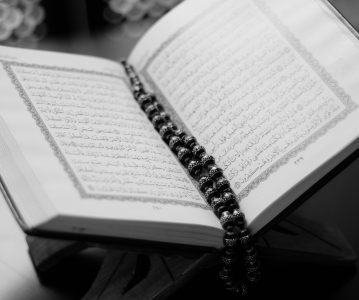
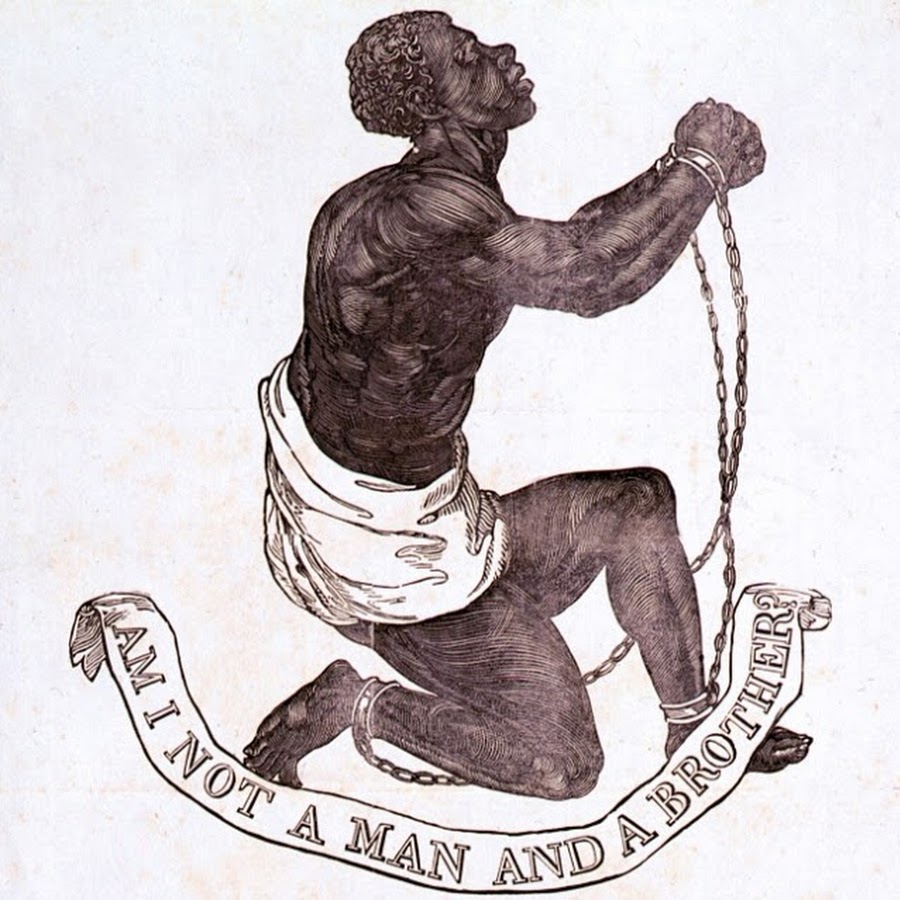
73:20 Say, [O Muhammad], “I only invoke my Lord and do not associate with Him anyone.”
21 Say, “Indeed, I do not possess for you [the power of] harm or right direction.”
22 Say, “Indeed, there will never protect me from Allah anyone [if I should disobey], nor will I find in other than Him a refuge. 23 But [I have for you] only notification from Allah, and His messages.”
And whoever disobeys Allah and His Messenger – then indeed, for him is the fire of Hell; they will abide therein forever.
24 [The disbelievers continue] until, when they see that which they are promised, then they will know who is weaker in helpers and less in number.
25 Say, “I do not know if what you are promised is near or if my Lord will grant for it a [long] period.”
26 [He is] Knower of the unseen, and He does not disclose His [knowledge of the] unseen to anyone 27 Except whom He has approved of messengers, and indeed, He sends before each messenger and behind him observers 28 That he may know that they have conveyed the messages of their Lord; and He has encompassed whatever is with them and has enumerated all things in number.
Koran 72:20-28
Muhammad spoke about Allah in the third person. This means this passage is not the perfect words of the perfect Qur’an from perfect Allah. Thus, Allah is false, imaginary, and fictional, which means Islamic doctrine and Islam are nonsensical and false.
Muhammad Allah commands Muhammad to: “Say” or “Recite”. This means that this passage is addressed to Muhammad, not to all people. Thus, this passage can’t be in the perfect words of the perfect Qur’an from perfect Allah. As it is addressed to Muhammad, in his time and place, his context, this also means that this passage is locked to Muhammad’s context and can’t be in the context-free, perfect Qur’an from perfect Allah with all its perfect words. Thus, this passage is part of Muhammad’s recitation, Muhammad’s Koran, which means Islamic doctrine and Islam are incoherent and false, meaning Allah is incoherent, imaginary, fictional, and false.

Muhammad admits to being a pagan “disbeliever” in verse 20, with:
Say, [O Muhammad], “I only invoke my Lord and do not associate with Him anyone.”
…nor will I find in other than Him a refuge.
Excerpts, Koran 72:20-28
If Allah was really alone, why is Muhammad talking about not associating and not finding refuge with others?

Notice Muhammad is commanded to say, and inadvertently reveals:
21 Say, “Indeed, I do not possess for you [the power of] harm or right direction.”
Koran 72:21
But, Infidel, there’s nothing wrong with that, it’s perfect! Let’s see:
I do not possess for you… right direction.
Koran 72:21

Notice this very strange aspect of Muhammad:
before each messenger and behind him observers
Excerpts, Koran 72:20-28
Who are the observers before and behind Muhammad? I suggest that they’re literally the angels upon Muhammad’s shoulders, Allah and Jibril. For more, see: Muhammad the Three.
But, Infidel, that’s CRAZY! Well, who are the observers before and after for Moses and, say, Jesus? Moses had a brother and his people, not an observer. Jesus had his brothers and his disciples, and early Christians. None had observers before and after them. Only Muhammad, as he admits here.
Who does a Muslim obey?
Infidel, it’s easy Allah!
And whoever disobeys… His Messenger [Muhammad] – then indeed, for him is the fire of Hell; they will abide therein forever.
Koran 72:22
How can one obey a dead man? Muhammad has been dust for 1400 years.

So We might test them therein.
Koran 72:17
What happens if you obey a demon? Obviously it’s a bad idea to obey a madman or a demon.
The best replacement for this passage is: “”, the empty sentence.

 Koran Contradiction
[…] Qur’an 72:20-28 […]
LikeLike