
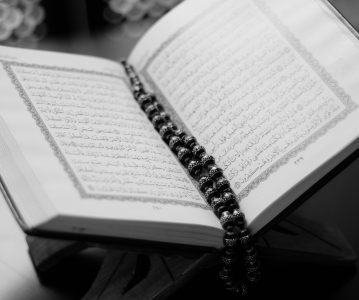

16:66 And indeed, for you in grazing livestock is a lesson.
We give you drink from what is in their bellies – between excretion and blood – pure milk, palatable to drinkers.
67 And from the fruits of the palm trees and grapevines you take intoxicant and good provision.
Indeed in that is a sign for a people who reason.
Koran 16:66-67
Muhammad asks us to ponder about the grazing livestock that we created:


In short, Muhammad is trying to claim that Allah created these animals when our ancestors did that, and this is known.
Muhammad lied: “We give you drink from what is in their bellies – between excretion and blood – pure milk, palatable to drinkers.” Notice that Muhammad doesn’t know and can’t name what “udders” and “teats” are. Mammalian milk is something “grazing livestock” do for their babies, their kids and calves, which we co-opt for ourselves as we are not obligate milk drinkers.
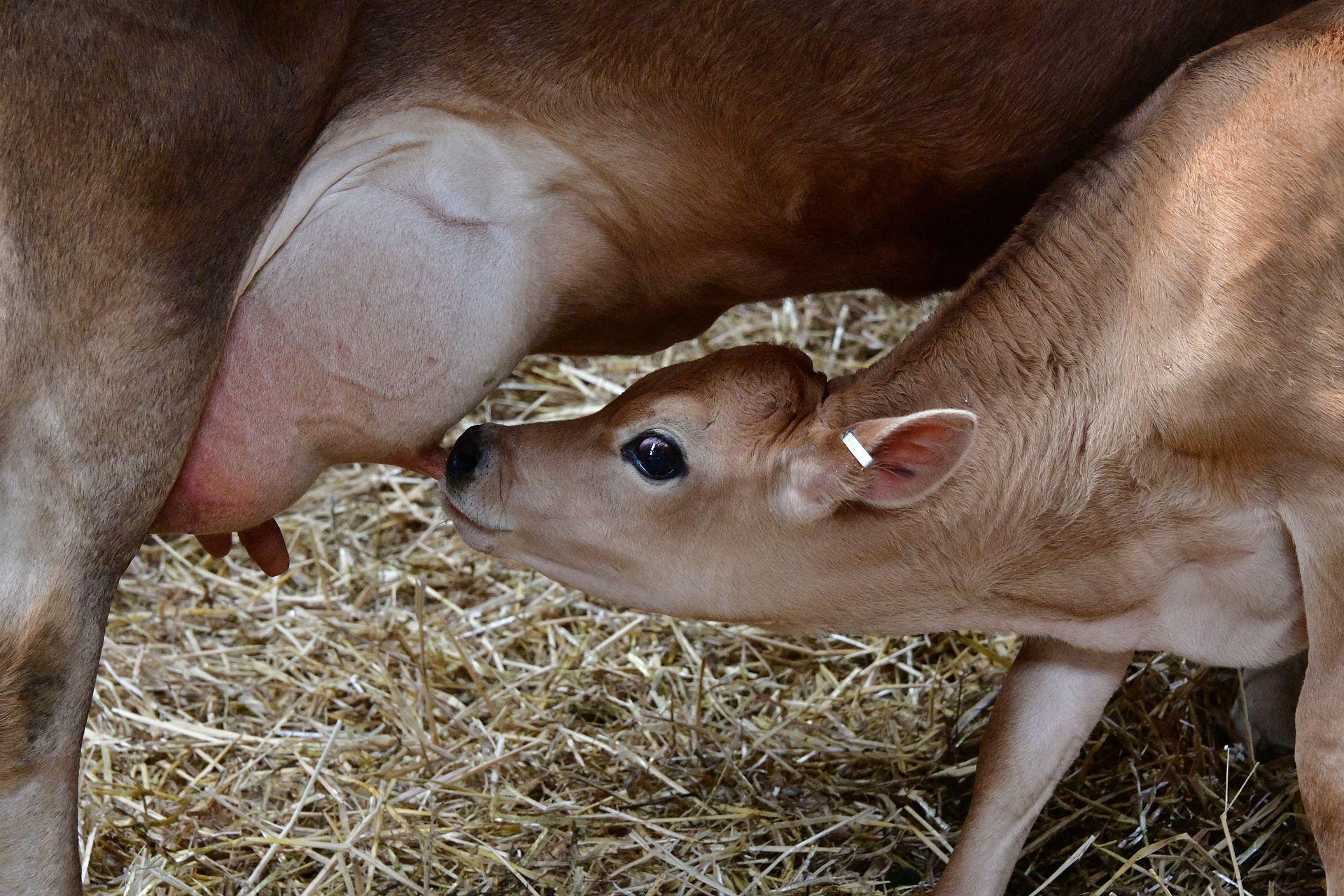
And worse, Muhammad doesn’t know that only some of us have evolved to drink and digest milk into adulthood. For more, see “Lactose intolerance”, “An Evolutionary Whodunit: How Did Humans Develop Lactose Tolerance?” and “Evolution of lactase persistence: an example of human niche construction”. Thus this shows that Muhammad is ignorant and not communicating with a real omniscient god.
Muhammad continues to lie with:
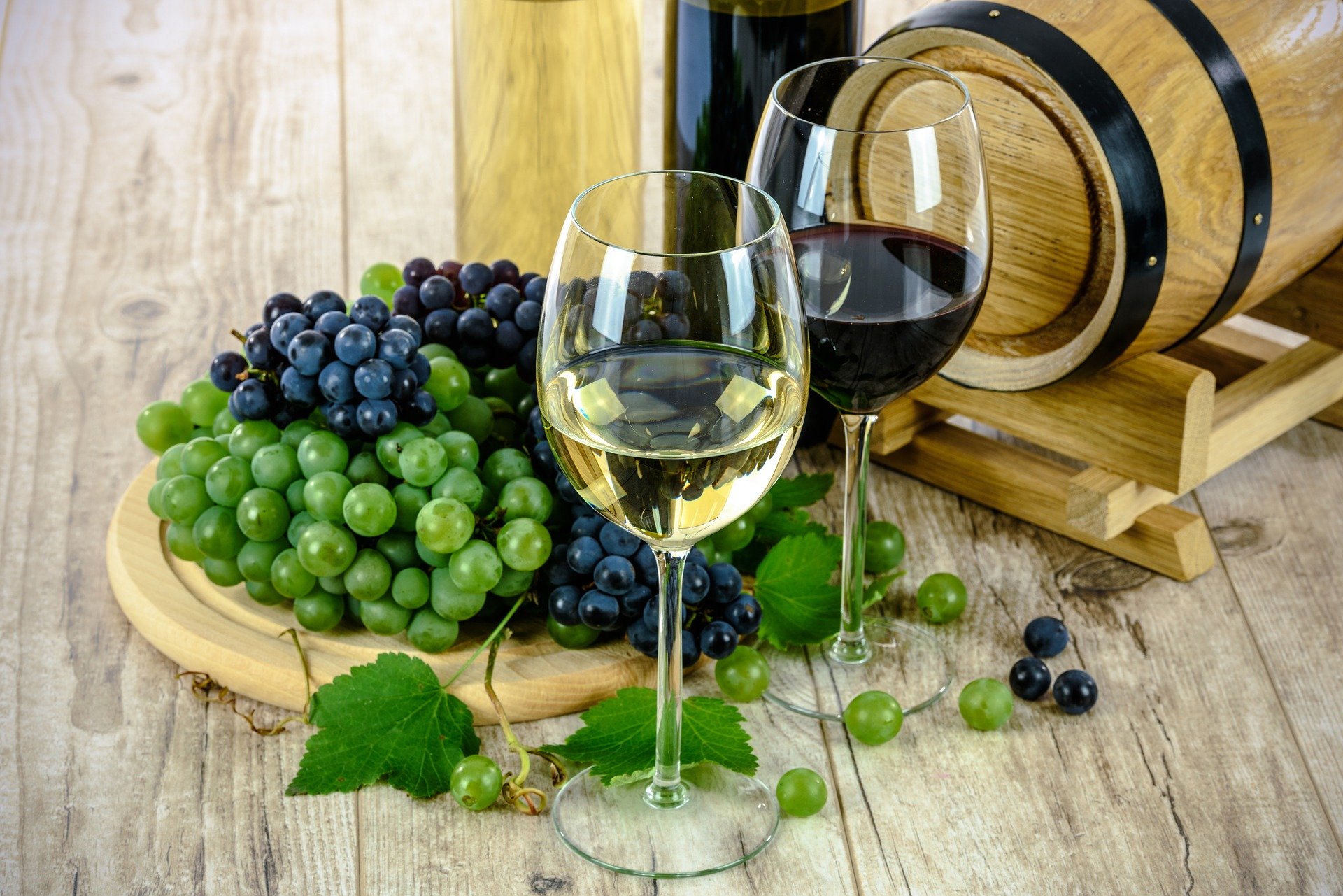
And from the fruits of the palm trees and grapevines you take intoxicant and good provision.
The date palms and grapes were created by humans, not by imaginary Allah. Muhammad takes credit for what humans did in the past and applies it to Allah, showing he’s a liar and Allah is false. And let’s not forget, that the “intoxicant” is date wine and wine from grapes is also forbidden by Muhammad pretending to be Allah. What kind of sign is that when it’s forbidden?
For more, see Koran 5:90-93.
Muhammad demands: “Indeed in that is a sign for a people who reason.” When we reason about this and investigate, we find that Muhammad is an ignorant liar, and we can see that Allah is false, imaginary, a stone idol of no worth or use.
The best replacement for this passage is: “”, the empty sentence.

 Koran Contradiction
[…] For more, see: Koran 16:66-67. […]
LikeLike
[…] Qur’an 16:66-67 […]
LikeLike