
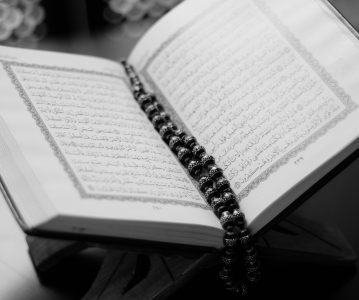
8:31 And when Our verses are recited to them, they say, “We have heard. If we willed, we could say [something] like this. This is not but legends of the former peoples.”
32 And [remember] when they said, “O Allah, if this should be the truth from You, then rain down upon us stones from the sky or bring us a painful punishment.”
33 But Allah would not punish them while you, [O Muhammad], are among them, and Allah would not punish them while they seek forgiveness.
Koran 8:31-33
Muhammad spoke about Allah in the third person. This means this passage is not the perfect words of the perfect Qur’an from perfect Allah. Thus, Allah is false, imaginary, and fictional, which means Islamic doctrine and Islam are nonsensical and false.
Who are the anonymous “they” in these verses? Let’s check with the demon-influenced and demon-possessed scholars of Tafsir Ibn Kathir, 8:31, who make clear what Muhammad and Allah could not:
…the disbelief, transgression, rebellion, as well as misguided statements that the pagans of Quraysh used to utter…
Tafsir Ibn Kathir, 8:31
Why did the Quraysh say that when they already worshipped Allah?
But, Infidel, those pagans didn’t worship Allah! Oh, but they did, Muhammad quotes them:
And [remember] when they said, “O Allah, if this should be the truth from You, then rain down upon us stones from the sky or bring us a painful punishment.”
Koran 8:32
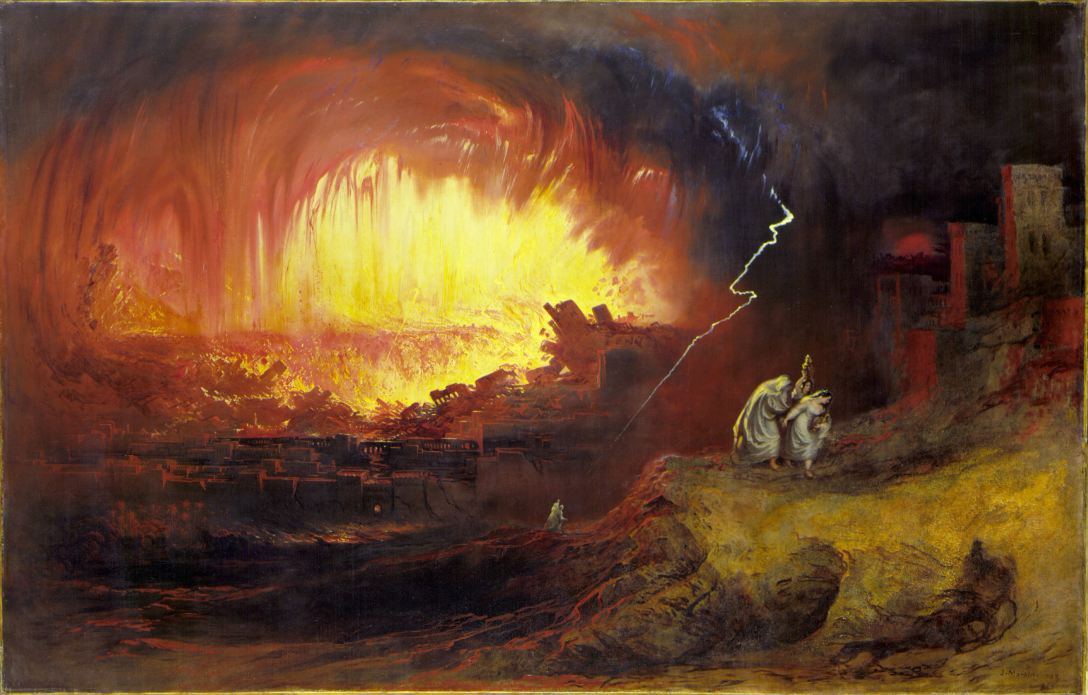
That refers to the Story of Lot about Sodom and Gomorrah, which Muhammad repeatedly repeats, 7 times in the Koran. Muhammad wanted to be the religious ruler, or theocrat of the Quraysh, most likely like his nominal father, the “Slave of Allah”.
Let’s see if the objections and mockery by the Quraysh are reasonable:
- “This is not but legends of the former peoples.” – That’s correct. For example, the Story of Lot and many others. Repeating stories with lots of variations is useless and shows that Muhammad couldn’t even recite correctly or worse, was delusional, playing the “prophet” and the Quraysh as his “people”. The phrase: “This is not but legends of the former peoples” is a common criticism of Muhammad and his stories.
- “O Allah, if this should be the truth from You, then rain down upon us stones from the sky or bring us a painful punishment.” – Muhammad lied. The Quraysh invocation of their god, Allah, shows this immediately.
But, Infidel, the Quraysh god is false! Their god Allah is a stone idol. This is the same idol worshipped by Muhammad. So, I agree with you.
But, but, Infidel, Allah is real! Muhammad was ex-Quraysh. The Quraysh were worshipping Allah the false idol. Muhammad’s Allah is the same god, the same idol, dead, broken, imaginary, fictional and false.
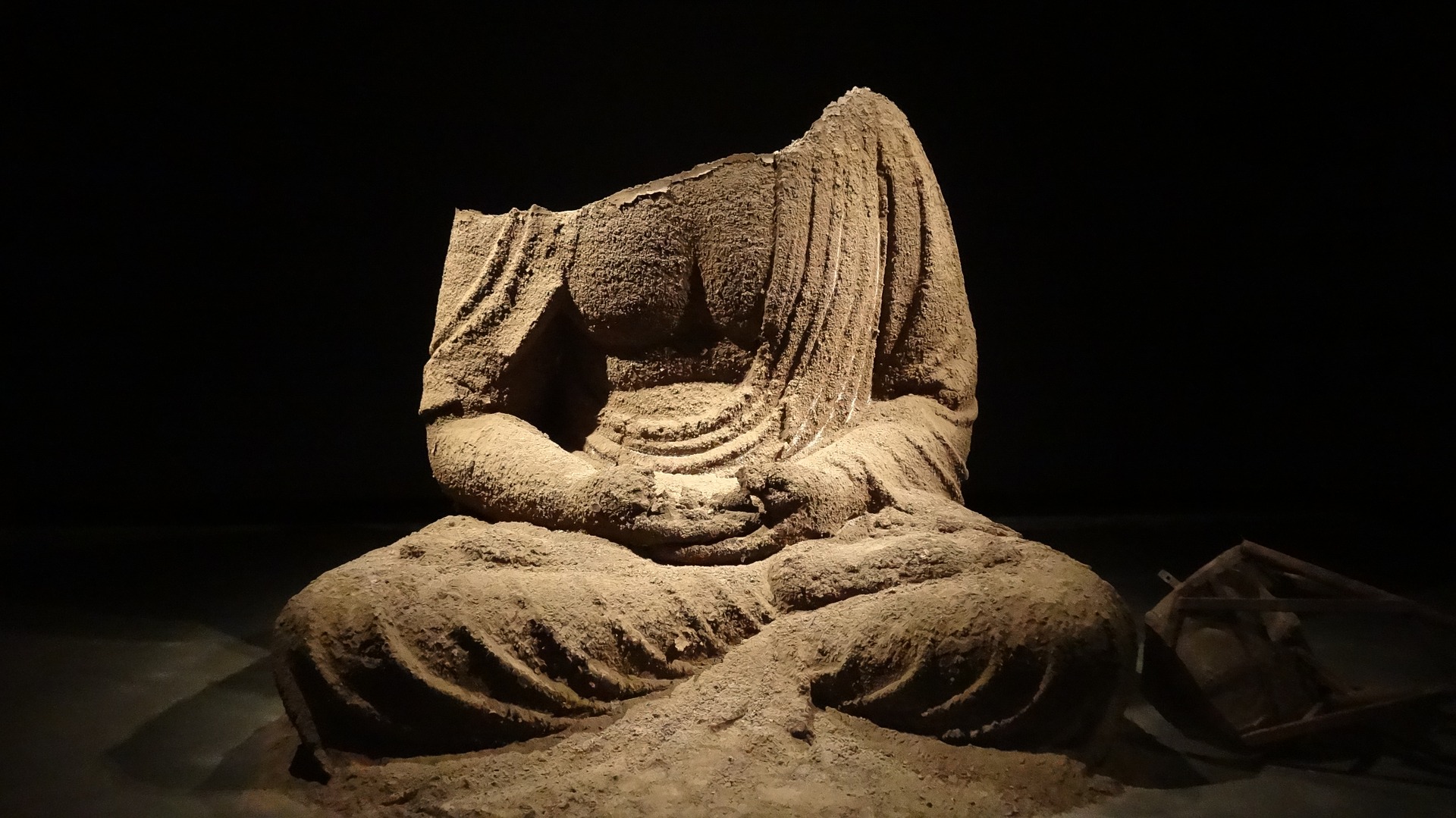
The objections and mockery from the Quraysh are quite reasonable and demonstrate the falsity of Allah, their stone idol, and Muhammad’s imaginary god. The last verse is Muhammad excusing the inaction of his imaginary god, Allah.
Let’s imagine that Allah was real. The excuses of Muhammad and their refutations follow:
- “But Allah would not punish them while you, [O Muhammad], are among them” – this is simply solved by Allah having an angel lead Muhammad out of Mecca like God did with Lot and his family.
- “Allah would not punish them while they seek forgiveness.” – they weren’t seeking forgiveness for uttering a lie, the Quraysh already knew Muhammad was a liar and “mad poet”.
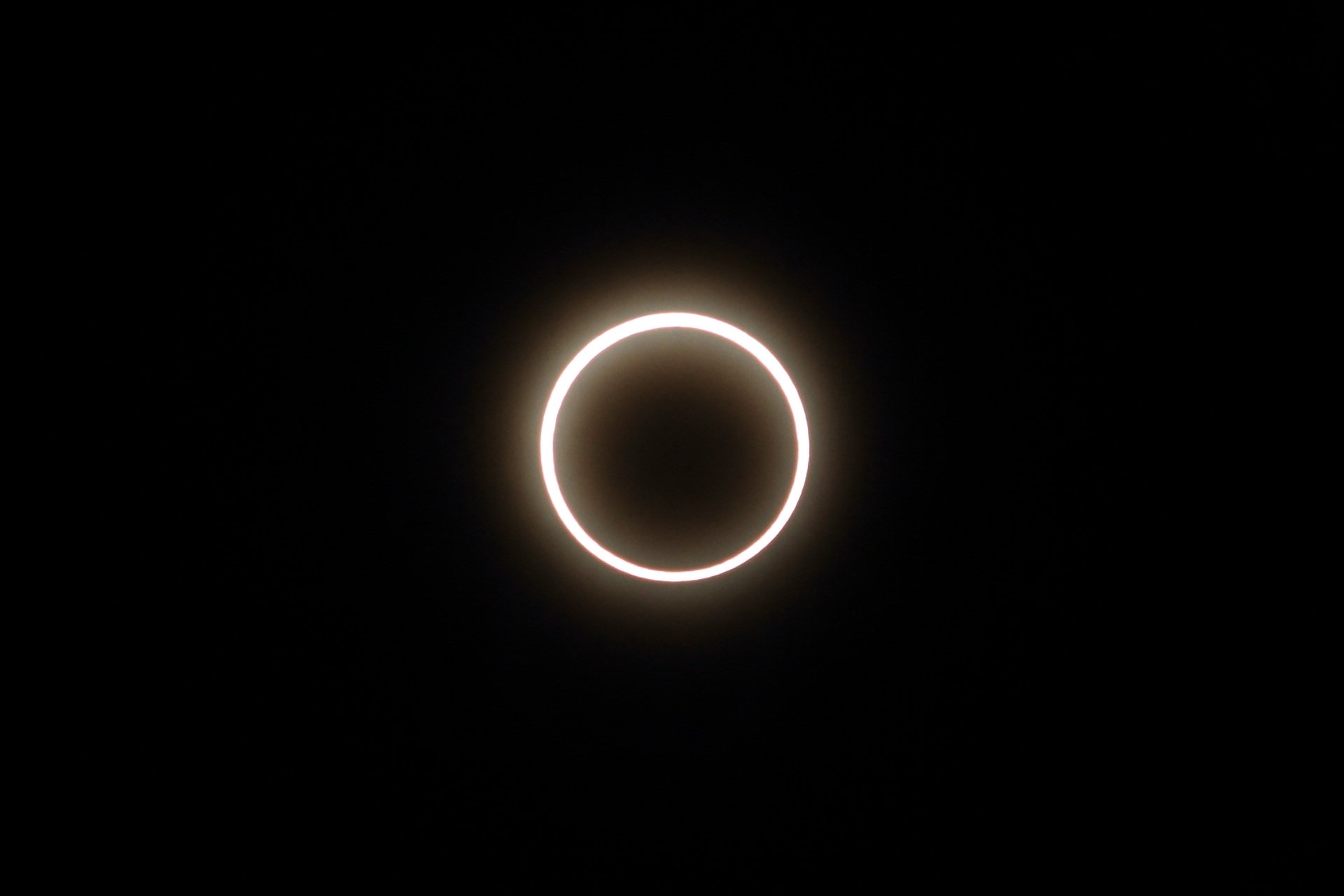
Koran 8:33 is also referenced from a hadith, during the “Moon Splitting” or solar eclipse:
In the time of [Muhammad] there once occurred a solar eclipse (According to the majority of the ‘ulama this incident took place in the tenth year hijri). [Muhammad] went into the masjid, commenced salaah, and stood in qiyaam for so long that it was felt that he did not intend to perform the ruku’. (In another narration it is stated that he recited the Surah Baqarah.) He then performed such a long ruku as if he did not want to come up from the Ruku’. Then in the same manner after standing up from the ruku’ he stood up for such a long time as if he did not want to perform sajdah, here too he kept his mubaarak head on the ground for such a long time as if he was not going to lift his mubaarak head. In this manner he did the same after lifting the head and sitting in jalsa, and after the jalsa in the second Sajdah. In short, in every rukn of the salaah this was done, that every rukn was so long, as if this rukn was going to be performed till the end, and there is nothing after it. (In the same manner he performed the second rak’ah, and in the last sajdah), due to the intense fear he began taking heavy breaths and crying, and began pleading to the Almighty Allah that ‘O Allah, it is only You that have promised that when these people make istighfaar there will be no punishment’. This saying of [Muhammad] refers to the aayah that is at the end of the ninth juz: ”But Allah would not punish them while thou was with them, nor will He punish them while they seek forgiveness. – Surah Al-Anfaal, 33.
When [Muhammad] completed the salaah, the sun had cleared already. [Muhammad] delivered a sermon after this. After uttering the hamd and thanaa, he talked o[n] this subject, that the sun and moon does not eclipse because of the death or birth of anyone, but both are from among the signs of Allah Ta’aala. (That gives His creation a warning so that they may fear Him). When the eclipses occurs then immediately turn towards Allah (begin istighfaar and performing salaah)
Book 44, Hadith 307
Notice Muhammad has “the intense fear he began taking heavy breaths and crying, and began pleading to the Almighty Allah”. Muhammad was frightened. Obviously, a “prophet”, Muhammad, who is not warned by his god, Allah, is a false prophet for a false god, Allah, for a false religion, Islam.
A mere man excusing the actions of a god, Allah, shows the god is imaginary, fictional, incoherent and false. Allah is thus incoherent, imaginary, fictional and false. This means that Islamic doctrine and Islam are incoherent and false. As such, the best replacement for this passage is: “”, the empty sentence.

 Koran Contradiction
[…] I refuted Koran 8:31-33 […]
LikeLike
[…] already refuted the earlier passages in: Koran 10:94-97, Koran 6:111 and Koran 8:31-33, obviously without knowing and realising this deeper connection exposed by Tafsir […]
LikeLike